How Pre K Helps Prepare Children for Kindergarten
Starting kindergarten is an exciting milestone that introduces children to new routines, expectations, classmates, and learning experiences. The transition can feel easier when children have already practiced skills they will use in a classroom daily. A strong early learning program supports more than academics by helping children follow routines, communicate with others, solve problems, and manage age-appropriate responsibilities.
Families are increasingly recognizing the value of early education. According to the U.S. Census Bureau, 58.8% of children ages 3 to 4 in the United States were enrolled in school, representing a 5.3-percentage-point increase from the prior year. For many children, pre k provides a setting where they can develop the academic, social, emotional, and physical skills that help make the move into kindergarten feel more familiar and manageable.
Build Early Literacy and Math Skills Through Everyday Learning
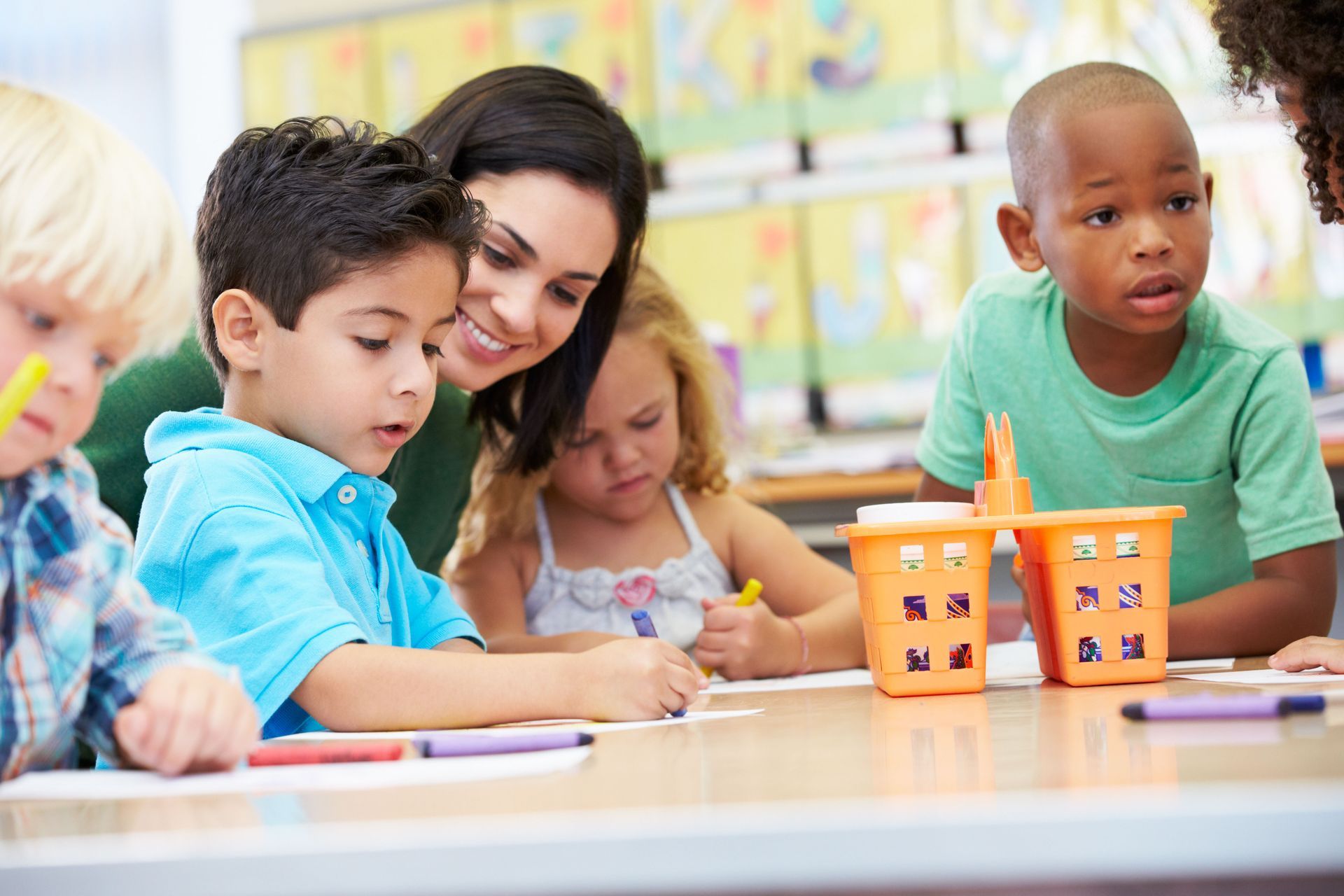
Kindergarten introduces children to increasingly structured lessons in reading, writing, math, and other subjects. Early childhood classrooms can help prepare them by making these concepts familiar through developmentally appropriate activities. Children may practice recognizing letters, listening for sounds in words, tracing or writing their names, counting objects, identifying patterns, and comparing shapes and sizes.
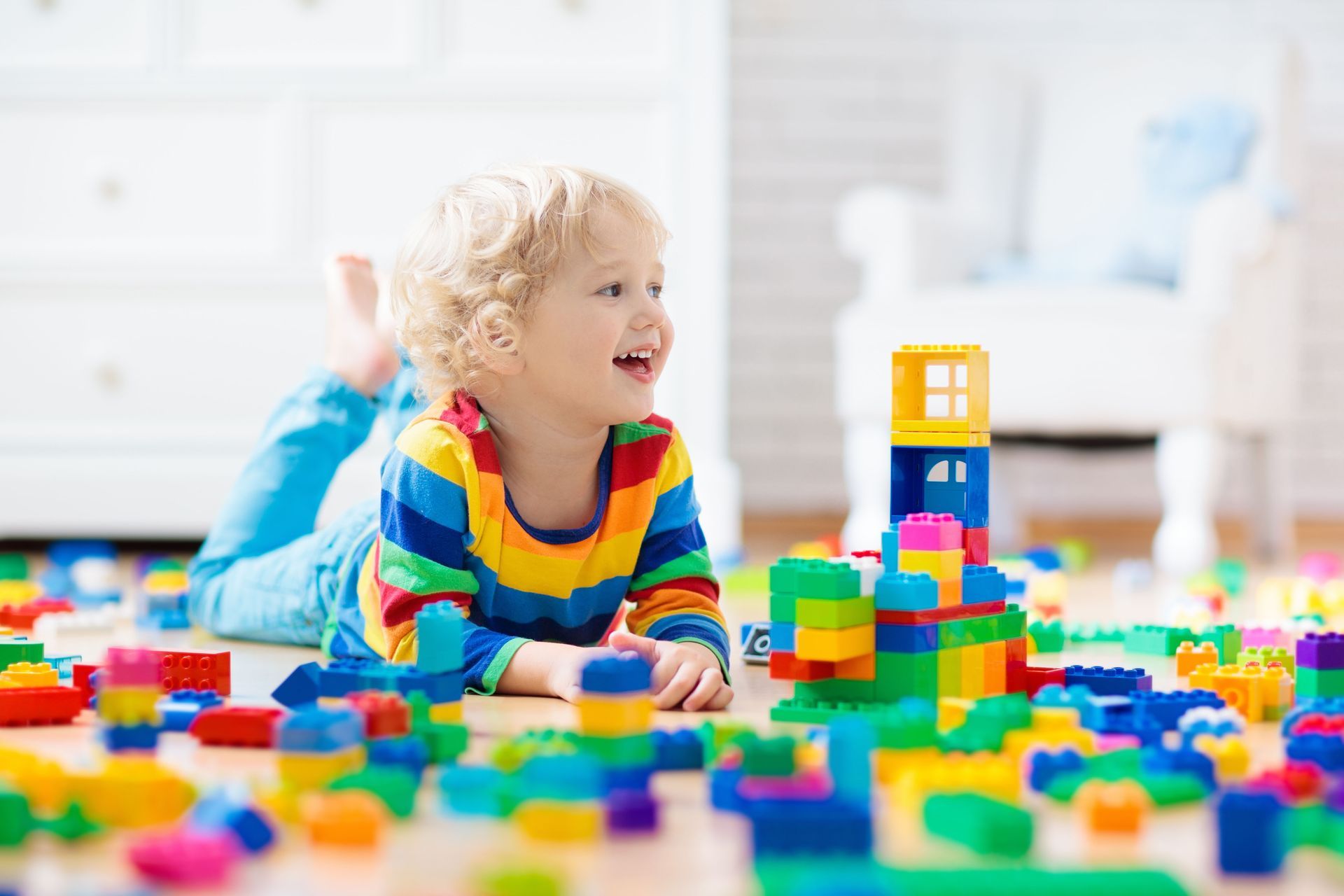
These experiences do not need to feel like formal elementary school lessons. Pre k academic concepts can be woven into stories, songs, games, art projects, sensory activities, and hands-on exploration. Counting blocks while building a tower or identifying letters during storytime lets children practice important skills in an engaging way.
At Small Steps Preschool, the preschool curriculum includes early literacy, phonics and letter sounds, counting, patterns, problem-solving, science, and social studies. By encountering these ideas before kindergarten, children can arrive with a foundation they are ready to continue building upon rather than experiencing every concept for the first time.
Practice Following a Consistent Classroom Routine
One of the biggest adjustments to kindergarten is learning how to move through a structured school day. Children may need to transition between activities, listen during group instruction, clean up materials, eat at scheduled times, and participate in both independent and group activities.
A consistent preschool schedule gives children regular opportunities to practice these routines. They begin to understand that one part of the day leads to another and that different activities may have different expectations. Familiar routines can also help children know what is coming next, making it easier for them to focus on participating instead of continually adjusting to an unfamiliar environment.
A preschool day may include a morning meeting, small-group literacy and math activities, outdoor play, meals, rest, music, movement, science, art, and a closing circle. Moving through a varied but predictable schedule helps children practice transitions and develop the attention needed in kindergarten.
Strengthen Communication and Social Skills
Kindergarten is a social environment as much as an academic one. Children spend much of their day sharing space, materials, conversations, and activities with classmates. Before entering kindergarten, it is helpful for children to have experience communicating what they need, listening to others, waiting for turns, participating in groups, and cooperating during play.
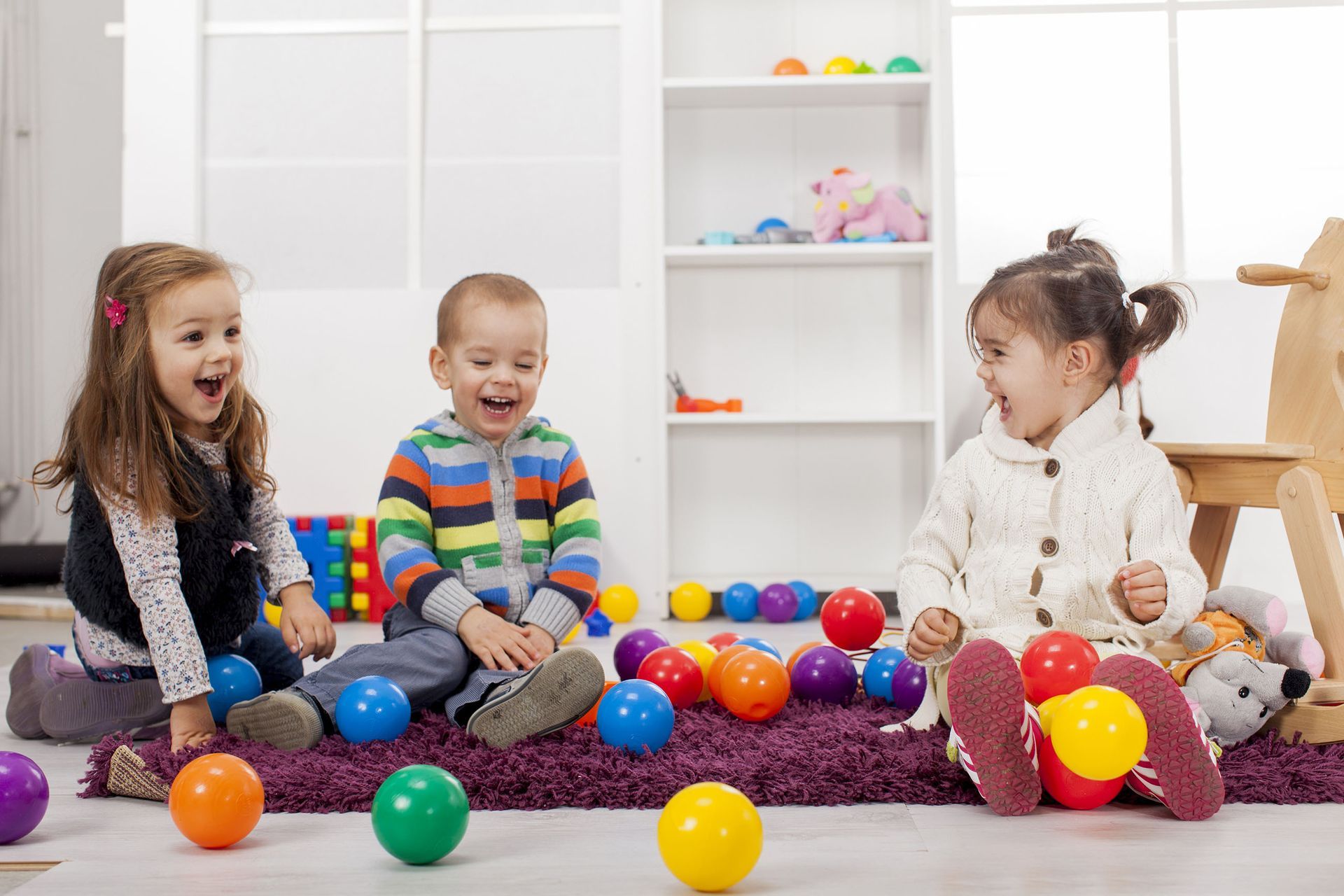
Because children in preschool interact with peers throughout the day, social learning happens naturally. A child might need to ask for a toy, join a group activity, share art supplies, explain an idea, or work with another child to solve a problem. Teachers can guide these moments and help children practice respectful communication.
Group activities also teach children that other people may have different ideas and feelings. Learning to listen, compromise, and contribute supports the teamwork they will need in kindergarten and can make participation in a larger classroom community feel more comfortable.
Develop Emotional Awareness and Self-Regulation
Young children are still learning how to understand and respond to strong emotions. A school environment gives them many opportunities to practice. They may feel frustrated when an activity is difficult, disappointed when they have to wait, excited during play, or nervous when trying something new.
Teachers can help children identify these emotions and learn constructive ways to respond. In pre k, children may practice using words to describe how they feel, asking an adult for help, taking turns, calming down after frustration, or trying again after a mistake. These are important skills because kindergarten often requires children to handle small challenges with growing independence.
Emotional development also supports learning. A child who can communicate a concern, recover from disappointment, or stay engaged after a mistake is better positioned to participate in classroom activities. The goal is not complete independence, but gradually building useful strategies with adult support.
Encourage Independence and Confidence
Kindergarten asks children to take responsibility for many small tasks throughout the day. They may need to put away belongings, follow directions, choose materials, complete simple classroom jobs, clean up after an activity, or communicate when they need assistance.
Pre k gives children a safe environment to practice age-appropriate independence while teachers remain available to guide them. Making small choices, completing familiar routines, and accomplishing tasks without immediate adult intervention can help children recognize what they are capable of doing on their own.
Confidence grows through repeated experiences. Writing a name, joining a group discussion, completing an art project, or solving a classroom problem can give children a sense of progress. That confidence may make unfamiliar kindergarten activities feel more approachable.
Improve Fine and Gross Motor Skills
Classroom readiness also involves physical development. Kindergarten students use fine motor skills when holding pencils, using scissors, opening containers, turning book pages, manipulating learning materials, and completing art projects. Gross motor skills support activities such as running, balancing, climbing, and participating in games or movement activities.
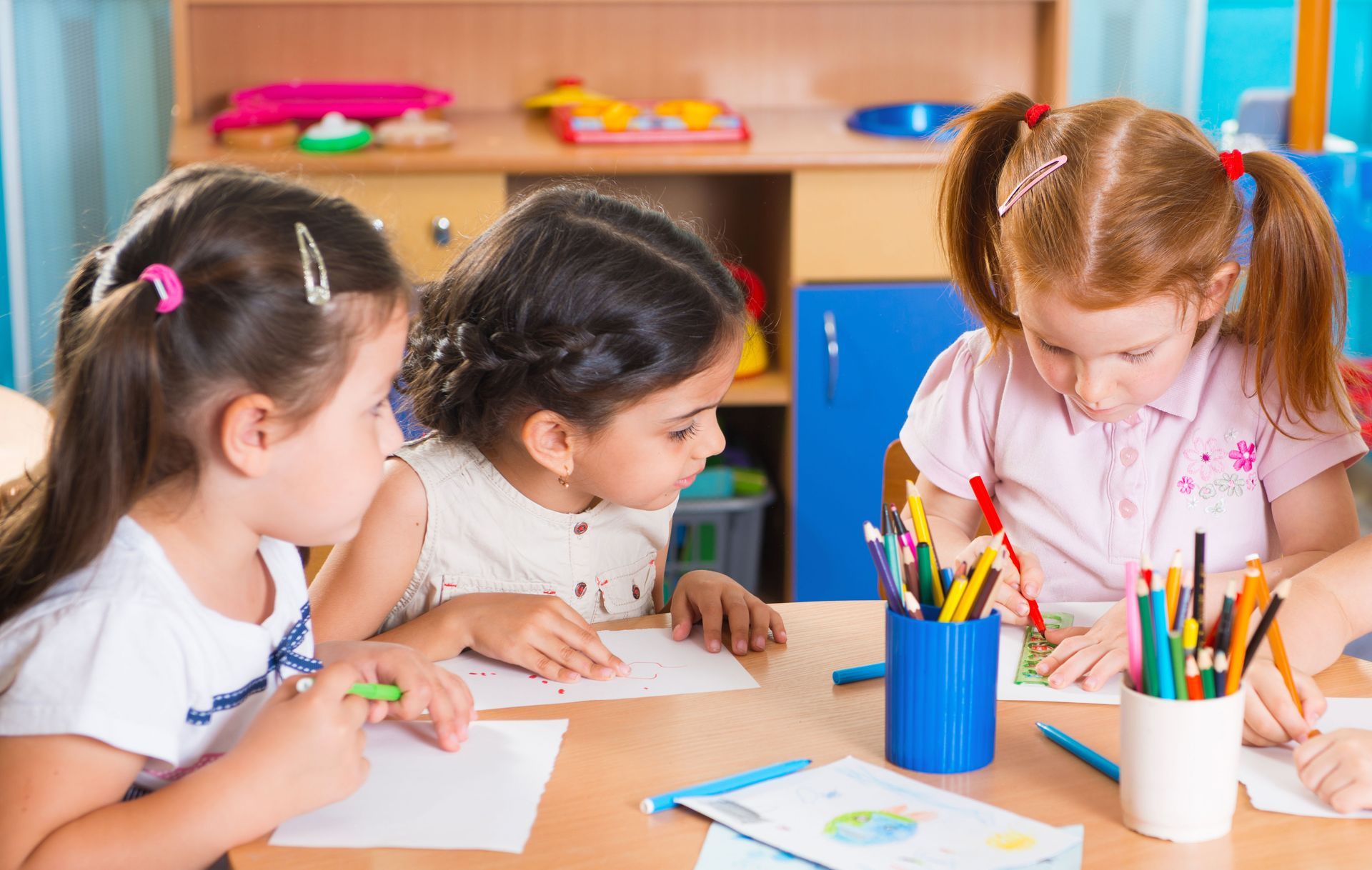
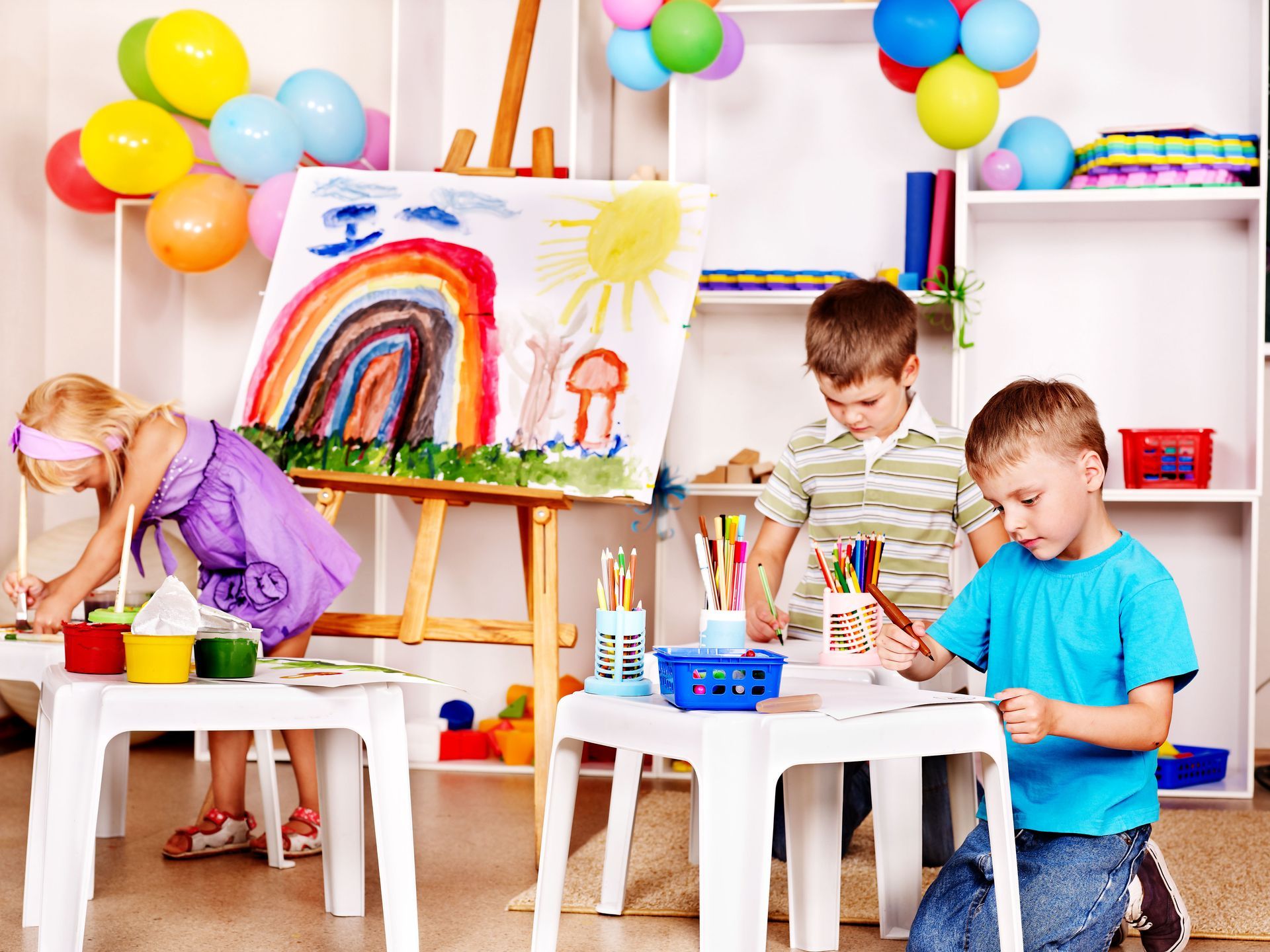
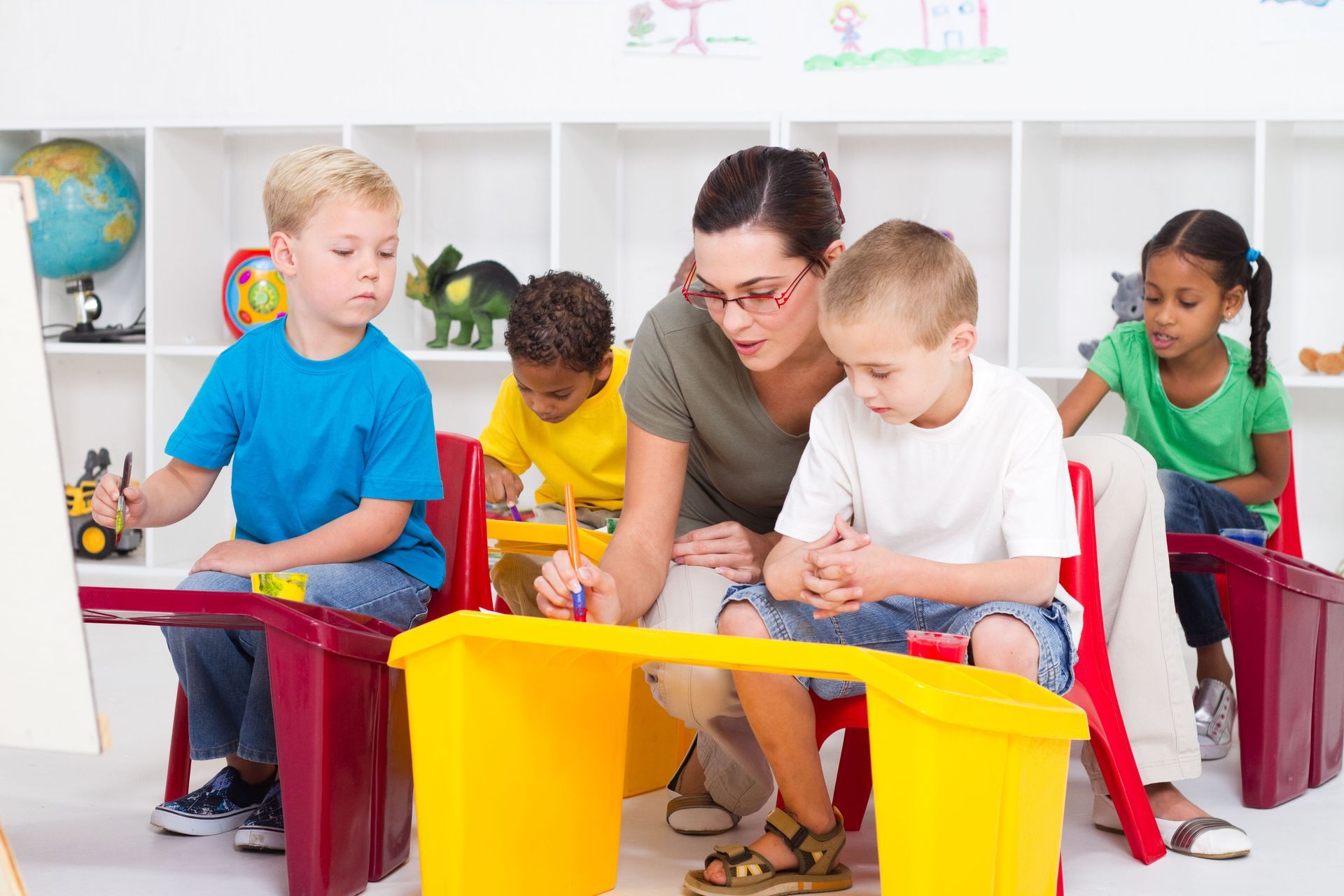
A well-rounded preschool program gives children frequent opportunities to develop both. Drawing, painting, molding materials, completing puzzles, and working with small objects can strengthen hand control and coordination. Outdoor play, dancing, movement games, and active exploration help children develop balance, coordination, and body awareness.
These abilities support greater independence. As children become more comfortable using classroom tools and managing physical tasks, they can focus more attention on learning and participating.
Help Children Become Curious, Engaged Learners
Kindergarten readiness is not simply a checklist of skills. Children also benefit from developing curiosity and a positive relationship with learning. Early childhood classrooms can encourage children to ask questions, experiment with materials, explore nature, create art, listen to stories, and investigate how things work.
Hands-on learning makes discovery active rather than passive. When children test an idea, observe what happens, and try something differently, they are practicing problem-solving and flexible thinking. A strong pre k experience can show children that learning is something they participate in, not simply something an adult tells them to do.
This mindset can be especially valuable when children encounter new or challenging material in kindergarten. Curiosity encourages them to keep exploring, while prior experience solving problems helps them understand that they do not need to know every answer immediately.
Create a Stronger Bridge to Kindergarten
Preparing for kindergarten involves the whole child. Early academic exposure matters, but so do communication, emotional development, independence, physical coordination, curiosity, and the ability to participate in routines. These skills develop gradually through repeated, age-appropriate experiences.
Small Steps Preschool provides structured, play-based learning for children ages 3 to 5 in Louisville, Kentucky, with activities designed to support academic readiness, social-emotional growth, creativity, movement, and independence. For families considering pre k, an environment that balances learning with exploration can help children build the confidence and foundational skills they will continue using when kindergarten begins. That familiarity can make the first weeks of school feel less overwhelming.
Share On: