How a Quality Preschool Center Prepares Toddlers for Kindergarten
Starting kindergarten is a major transition for young children. Before entering a more structured classroom environment, toddlers benefit from opportunities to build social, emotional, communication, motor, and early academic skills in ways that feel natural and engaging. A quality preschool center can help children develop these abilities through routines, guided play, group activities, and age-appropriate learning experiences. Rather than focusing only on letters and numbers, preschool preparation supports the whole child. By gradually introducing classroom expectations and encouraging independence, early childhood programs can help toddlers become more comfortable with the types of experiences they will encounter when they begin kindergarten.
Building Social Skills Through Group Interaction
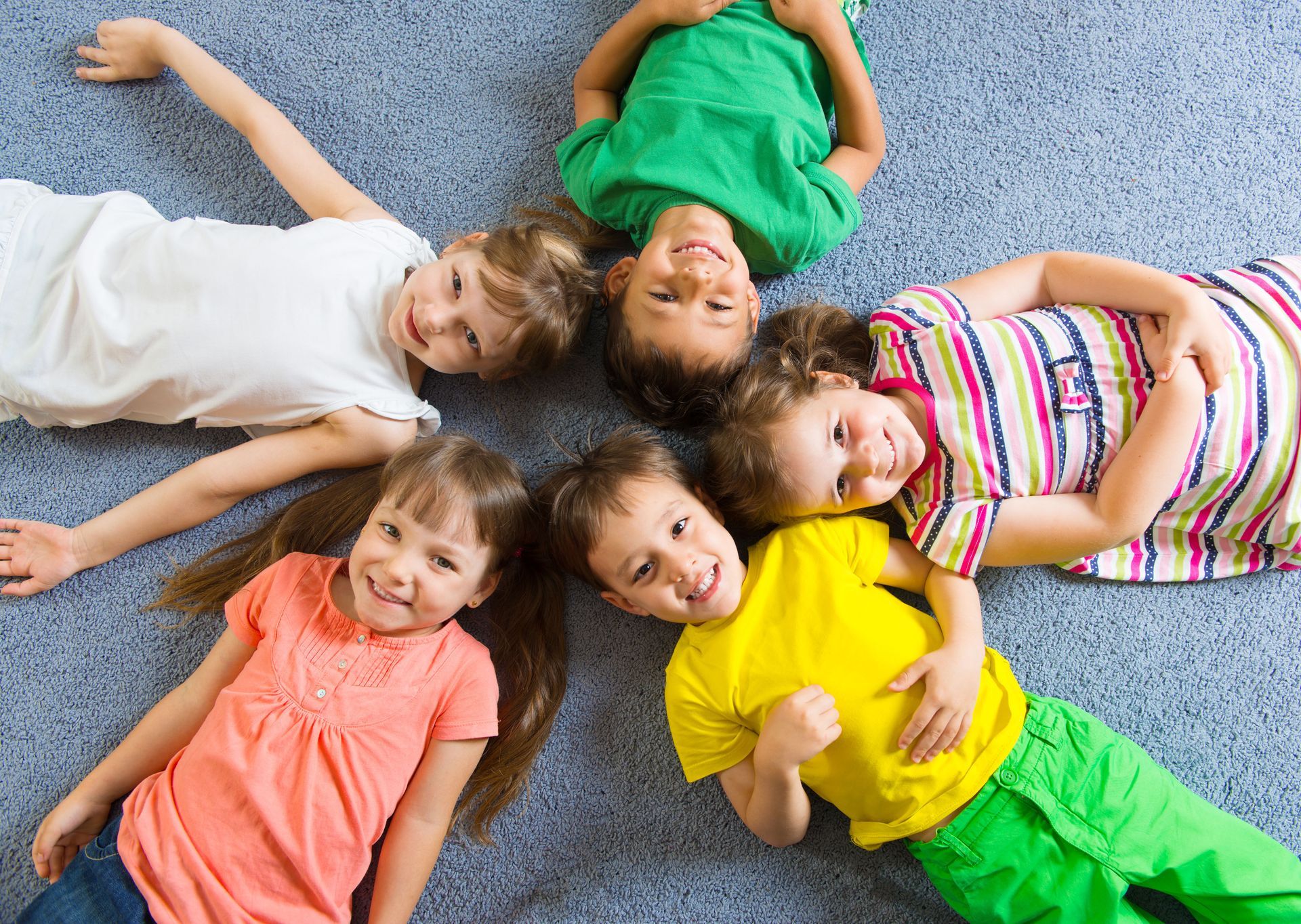
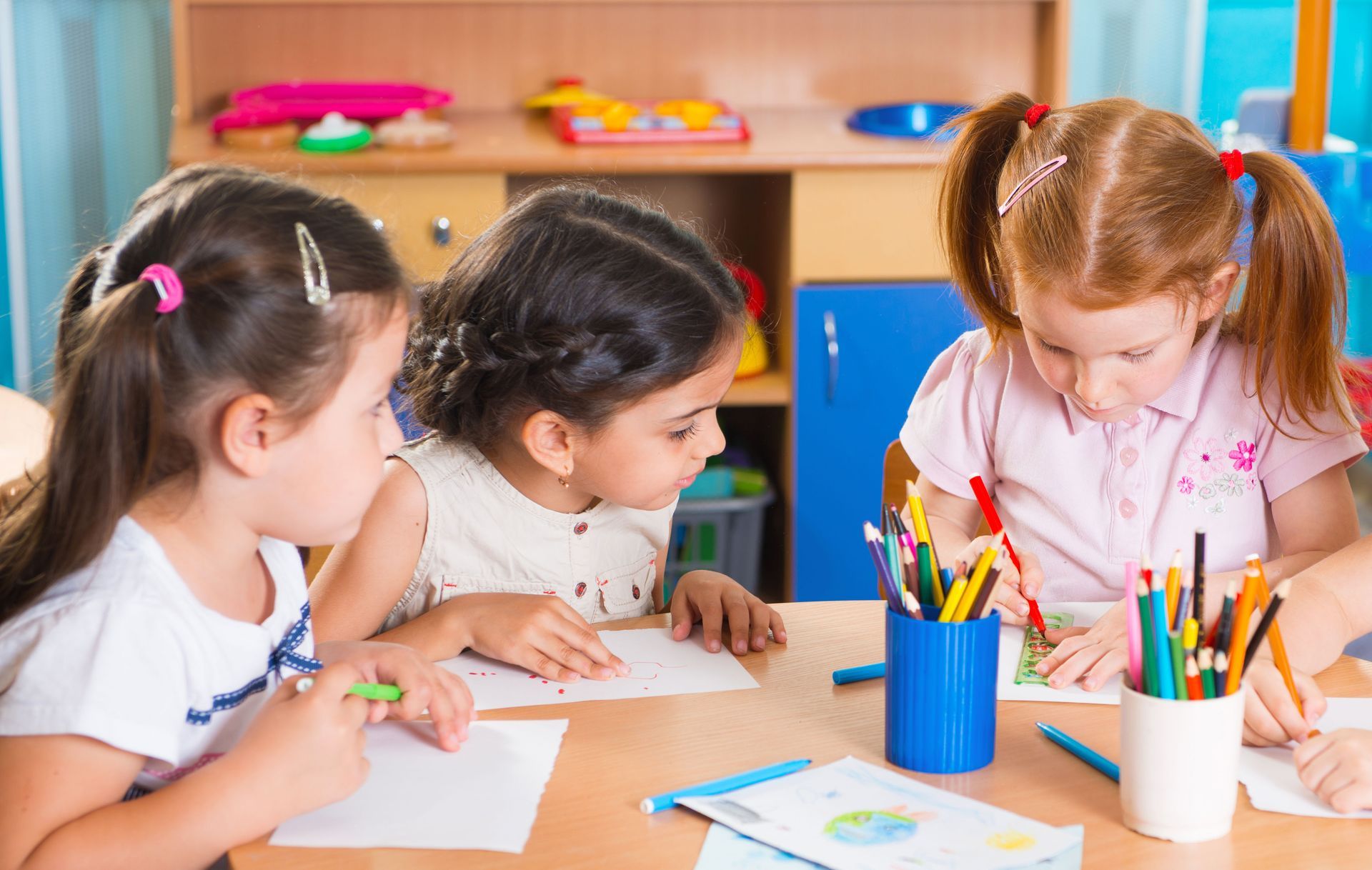
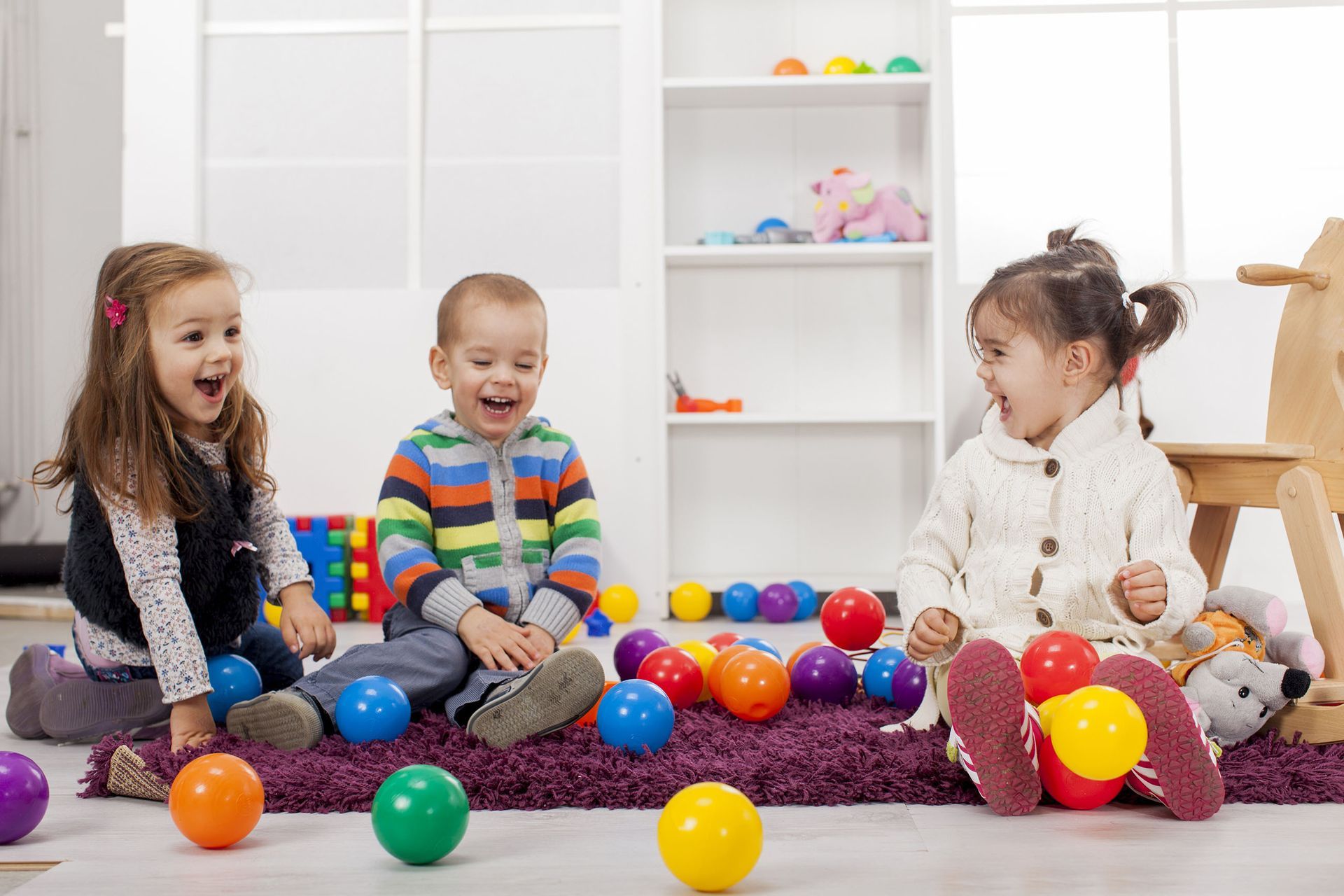
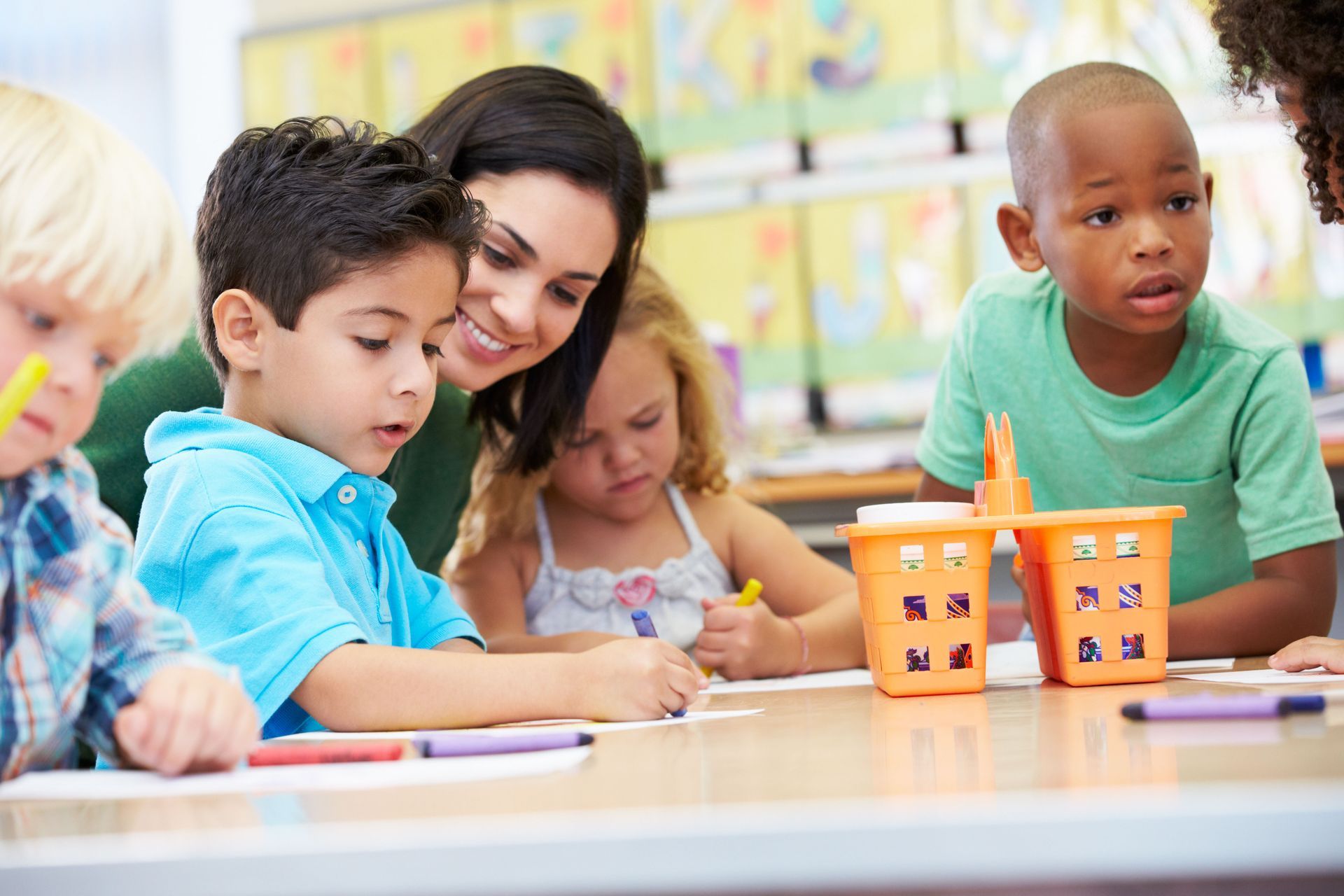
One of the most important ways preschool supports kindergarten readiness is by giving children regular opportunities to interact with peers. Toddlers learn how to share materials, take turns, wait briefly, join group activities, and communicate their needs to other children. These abilities take time to develop, and everyday classroom experiences provide repeated chances to practice them. Playing with classmates also helps children understand that other people may have different ideas, feelings, and preferences. Learning to cooperate during games, art projects, cleanup, and pretend play can make future classroom interactions easier.
A preschool center can also help children practice resolving small conflicts with guidance from teachers. Instead of immediately stepping in to solve every disagreement, educators may help children use words, identify emotions, and consider simple solutions. These experiences can strengthen patience, empathy, and cooperation. In kindergarten, children are expected to spend much of the day around classmates, so having prior experience in a group environment can help them adjust. Familiarity with sharing space, following common routines, and participating with others can make the transition into a larger classroom feel less overwhelming.
Strengthening Communication Through Daily Conversation
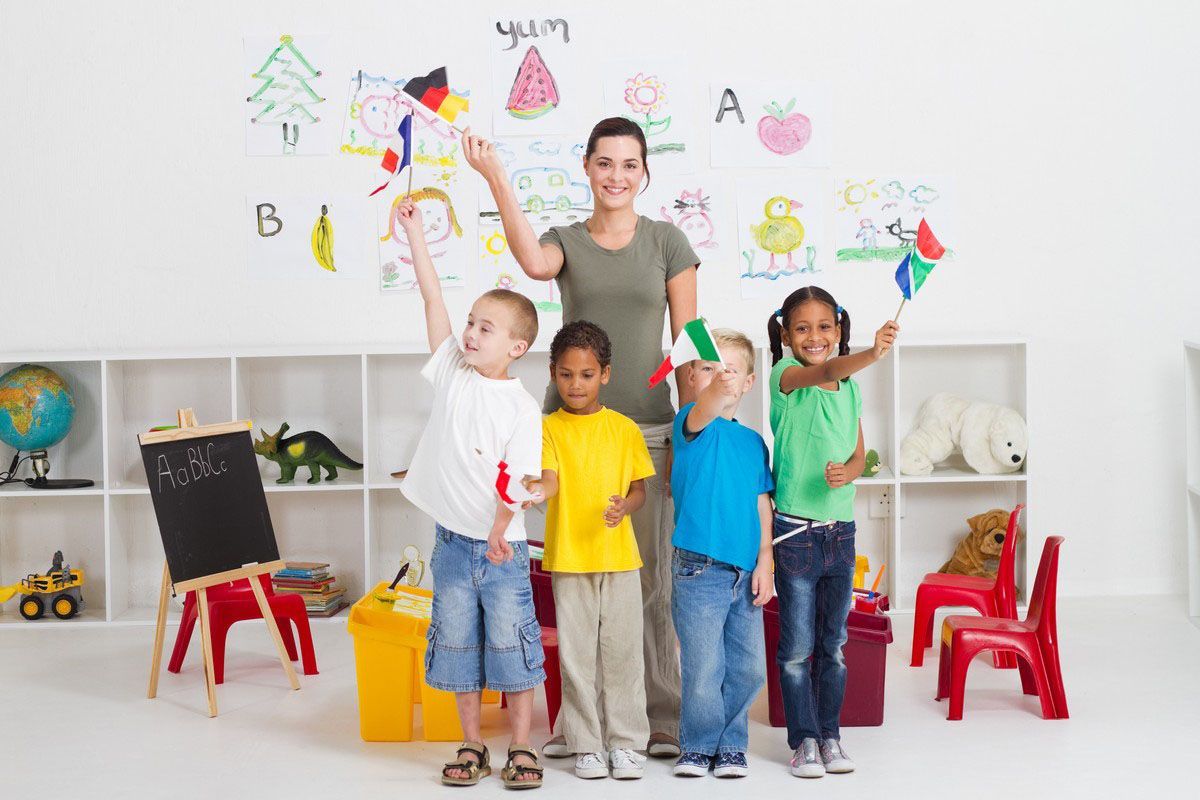
Language development is another major part of kindergarten preparation. Toddlers build vocabulary and communication skills through conversations with teachers and classmates, songs, stories, questions, and imaginative play. When adults encourage children to describe what they are doing, explain what they need, or talk about something they observed, they create opportunities for language growth. These daily interactions help children become more comfortable expressing themselves and listening to others. Strong communication skills can support classroom participation, social relationships, and the ability to understand directions once kindergarten begins.
Teachers at a preschool center may also introduce children to books and storytelling throughout the day. Listening to stories helps children become familiar with sentence structure, sequencing, characters, and new vocabulary. Asking simple questions about what happened in a story can encourage comprehension and memory. Children may also begin to recognize that printed words carry meaning and that books are read in an organized direction. These experiences do not require formal reading instruction to be valuable. Instead, they build a foundation that can support later literacy development when children begin receiving more structured reading instruction in kindergarten.
Developing Independence Through Everyday Routines
Kindergarten often requires children to manage more responsibilities on their own, so preschool can be an important place to practice independence. Toddlers may learn to put away belongings, wash their hands, choose materials, clean up after activities, and follow simple classroom procedures. These tasks may seem small, but they help children develop confidence and a sense of responsibility. Repeated routines also make it easier for children to understand what comes next during the day and what is expected of them in different settings.
A quality early learning environment can encourage independence while still providing appropriate support. Teachers can break tasks into manageable steps and give children time to try before offering assistance. This approach helps children learn that they are capable of completing age-appropriate responsibilities. At a preschool center, routines such as snack time, transitions, bathroom breaks, and cleanup can provide natural opportunities to strengthen self-help skills. By kindergarten, children who have practiced these tasks may feel more prepared to manage personal belongings, follow classroom routines, and take greater responsibility for themselves.
Introducing Early Learning Through Purposeful Play
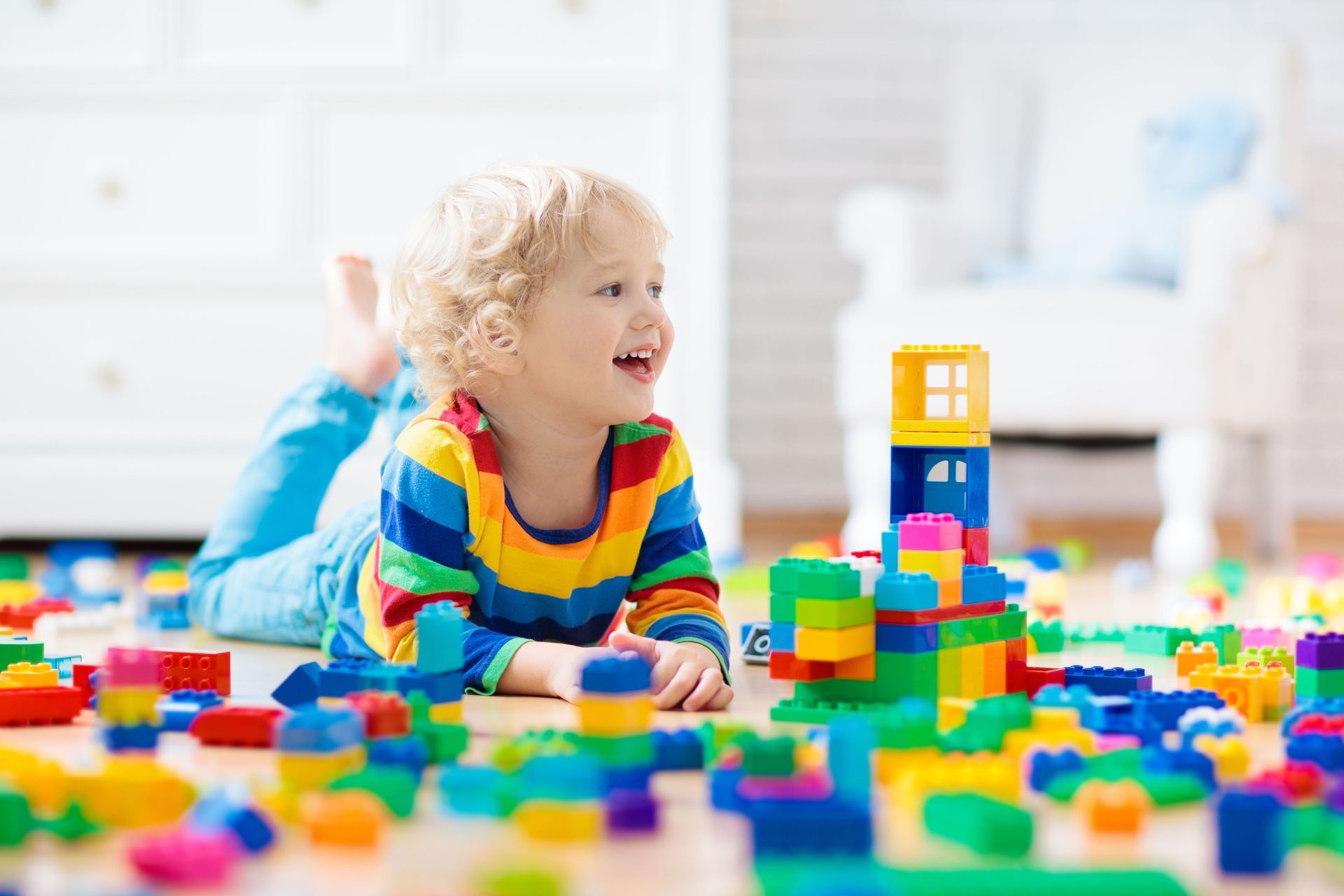
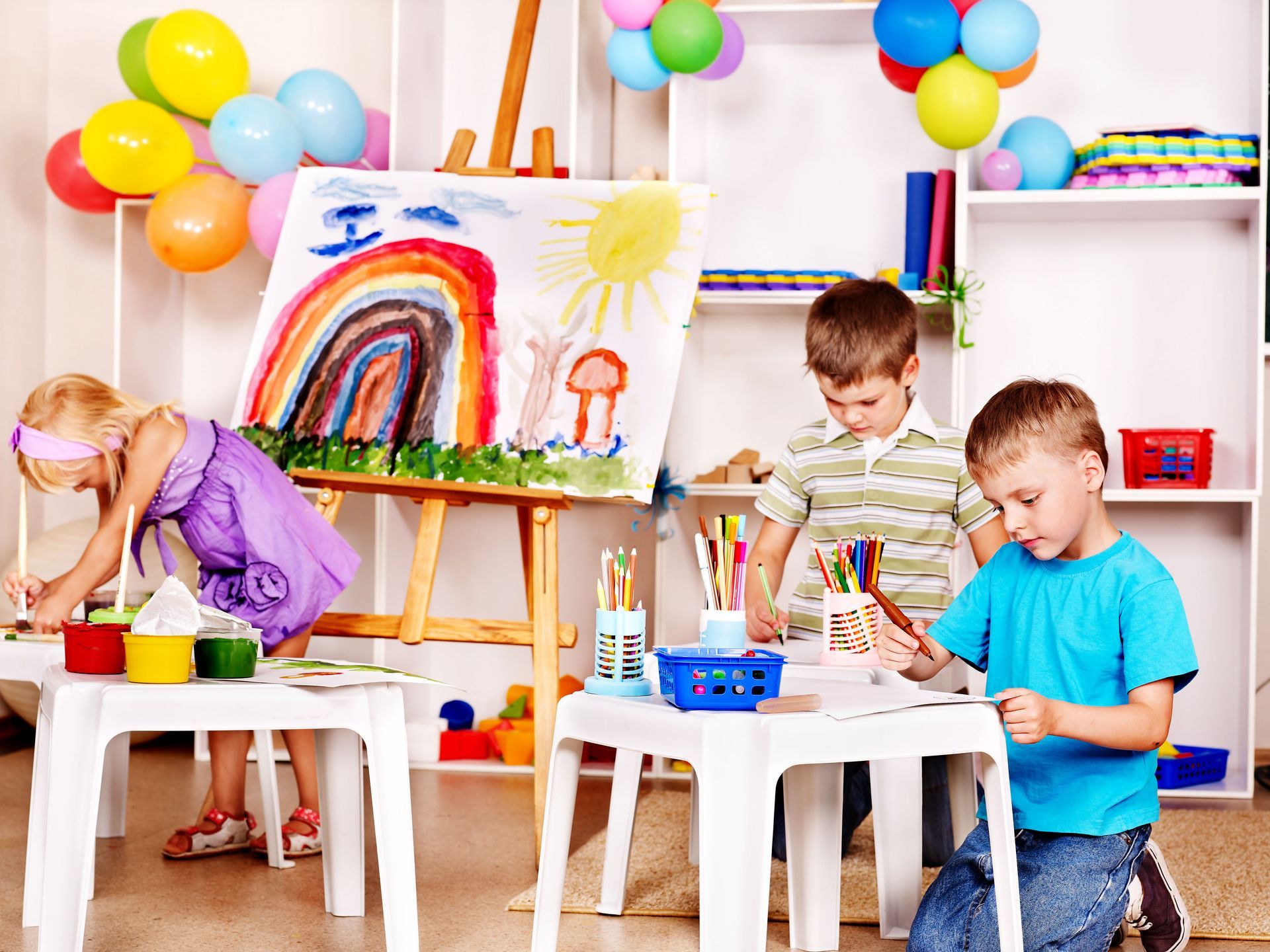
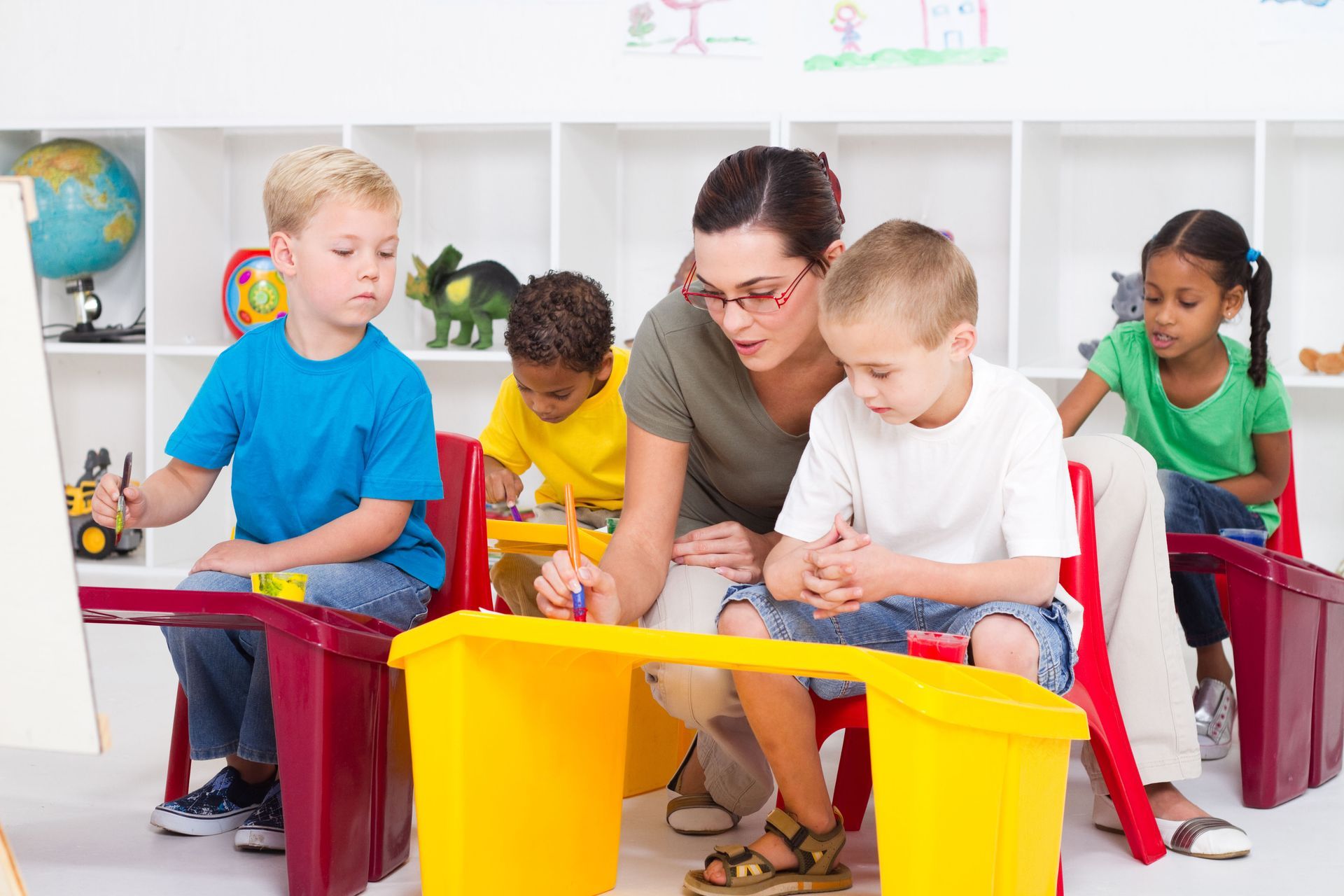
Young children often learn best through play, especially when activities are designed to encourage exploration and problem-solving. Blocks can introduce ideas about shape, balance, size, and counting. Puzzles can support spatial reasoning and persistence. Art activities can develop creativity while giving children practice with colors, patterns, and fine motor control. Pretend play can strengthen language and imagination. These experiences allow children to develop early academic concepts without turning the preschool day into a formal elementary classroom.
A preschool center can use play-based activities to introduce concepts children may encounter more directly in kindergarten. Teachers may incorporate counting into games, discuss letters during story time, identify shapes around the classroom, or encourage children to compare objects by size and color. These activities can help children become familiar with basic concepts while maintaining curiosity and enjoyment. When learning feels connected to play and discovery, children may become more willing to ask questions, experiment, and persist through challenges, all of which can support later classroom learning.
Improving Motor Skills Through Active Experiences
Physical development also contributes to kindergarten readiness. Fine motor skills are necessary for tasks such as holding crayons, using scissors, turning book pages, manipulating small objects, and eventually writing. Preschool activities like drawing, painting, building with small blocks, stringing beads, and working with modeling materials can strengthen hand and finger control. Regular practice allows children to improve coordination gradually while participating in activities that feel enjoyable rather than repetitive.
Gross motor development is equally important. Running, climbing, jumping, balancing, dancing, and outdoor play help children develop strength, coordination, and body awareness. These skills can support participation in playground activities, physical education, and classroom transitions. A preschool center that provides opportunities for both active movement and hands-on tasks can help children build the physical abilities needed for a school-day. Movement also gives children opportunities to practice listening, following directions, and controlling their bodies during group games and activities.
Supporting Emotional Growth Through Caring Guidance
Emotional readiness is just as important as academic readiness. Young children need practice recognizing feelings, managing frustration, separating from caregivers, and recovering when something does not go as planned. Preschool gives children regular opportunities to experience manageable challenges in a supportive setting. Teachers can help them name emotions, use calming strategies, ask for help, and understand that difficult feelings are temporary. These experiences can strengthen resilience and help children develop confidence in unfamiliar situations.
Access to quality early childhood care can make these opportunities especially meaningful. According to the First Five Years Fund, more than 4.18 million children lack access to child care within a reasonable distance, resulting in an overall access gap of 28.2%. For families who are able to enroll in a preschool center, consistent interaction with caring adults and peers can provide valuable preparation for kindergarten. Building secure relationships, practicing emotional regulation, and learning how to function within a group can help children enter school with greater confidence and readiness to participate.
Kindergarten readiness develops through many small experiences rather than a single lesson or milestone. Social interaction, communication, independence, purposeful play, physical development, routines, and emotional support all contribute to a child's ability to adjust to a more structured school environment. Preschool gives toddlers repeated opportunities to practice these skills in developmentally appropriate ways while still allowing room for exploration and fun. Families who choose an early learning program can look for an environment that supports the whole child and encourages steady growth across these areas. If you are exploring early childhood education options for your child, contact Small Steps Preschool to learn more about their programs and approach to kindergarten preparation.

Share On: