Why Pre K Programs Build Strong Learning Foundations
Pre-kindergarten programs are widely recognized as vital for establishing the framework of educational success. These programs play an important role in cultivating a robust foundation for learning, with a focus on cognitive, social, emotional, and physical development. By providing a structured yet nurturing environment, a professional pre k setting allows children to explore their world and develop the essential skills needed for a lifetime of achievement. This early educational journey ensures that every child is prepared for the transition into formal schooling with confidence and curiosity.
Building Language and Literacy Foundations
The development of cognitive skills is deeply connected to how children acquire language and literacy. In a high-quality pre k environment, activities are designed to build vocabulary and comprehension through storytelling, singing, and interactive reading. These experiences foster phonemic awareness and letter recognition, helping children develop an early passion for books. Educators in these settings are skilled at recognizing various learning styles, ensuring that visual, auditory, and kinesthetic learners all feel supported. By using diverse resources like puppets and digital tools, teachers create an inclusive atmosphere where language skills can flourish.
Fostering Mathematical Thinking and Logic
Early childhood programs serve as a primary platform for children to begin developing mathematical thinking and problem-solving abilities. Through engaging activities like counting games and sorting exercises, children in a pre k classroom learn basic numeracy and spatial awareness. Concepts such as shapes and patterns are introduced playfully, which fosters an intuitive understanding of logic. Instead of focusing on rote memorization, professional providers encourage children to ask questions and experiment with different solutions. This hands-on approach builds resilience and teaches young learners the value of perseverance when facing challenges.
Nurturing Creative and Innovative Minds
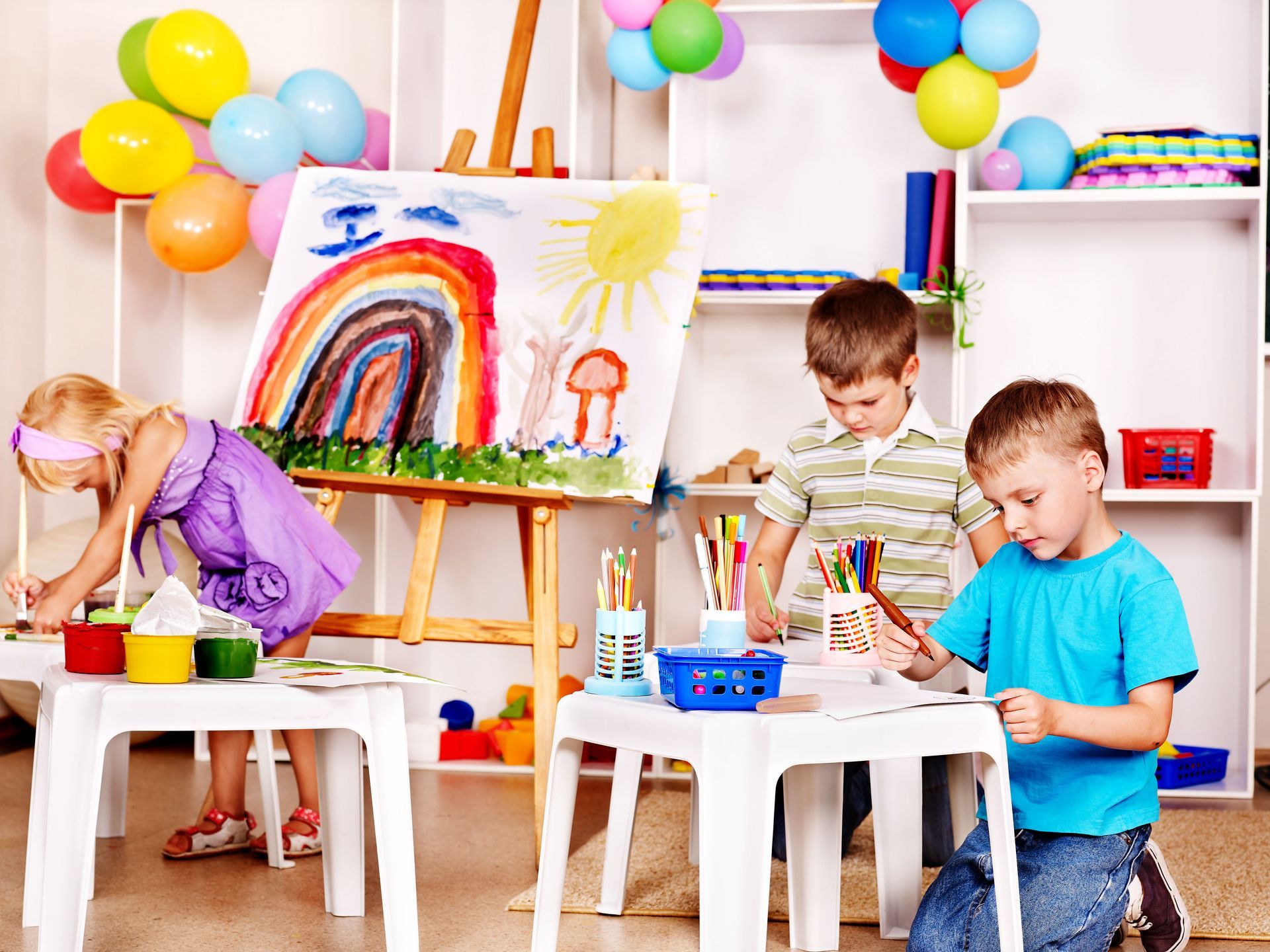
Creative thinking is a vital part of cognitive growth that is actively supported in early learning centers. Children are naturally imaginative, and a professional pre k program provides ample opportunities for them to express this through art, music, and dramatic play. These activities encourage children to think outside the box and envision multiple solutions to various problems. Teachers emphasize the creative process rather than the final product, allowing children to experiment without the fear of making mistakes. This supportive framework is essential for building a child's confidence in their own unique creative abilities.
Introducing Scientific Inquiry and Discovery
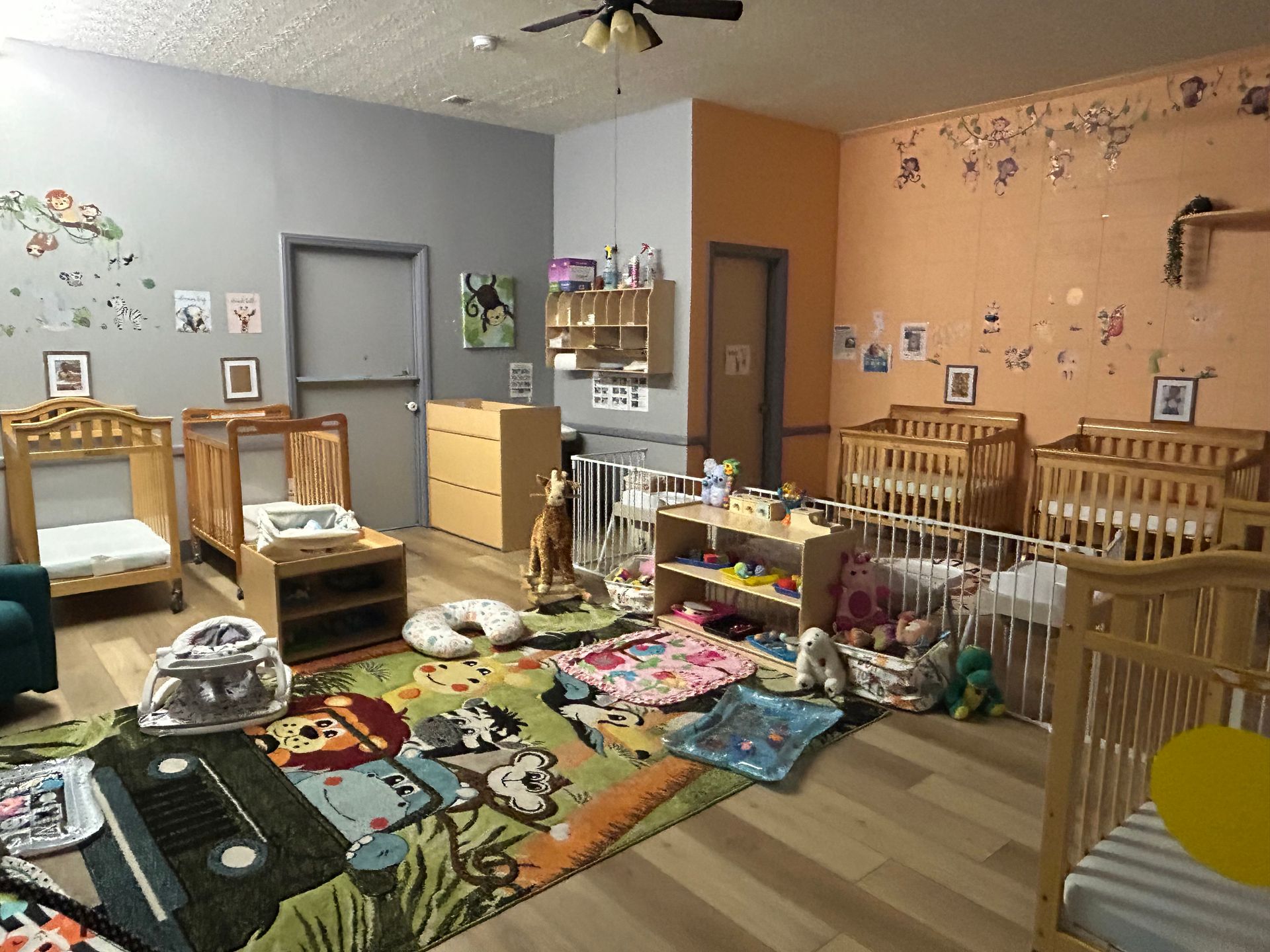
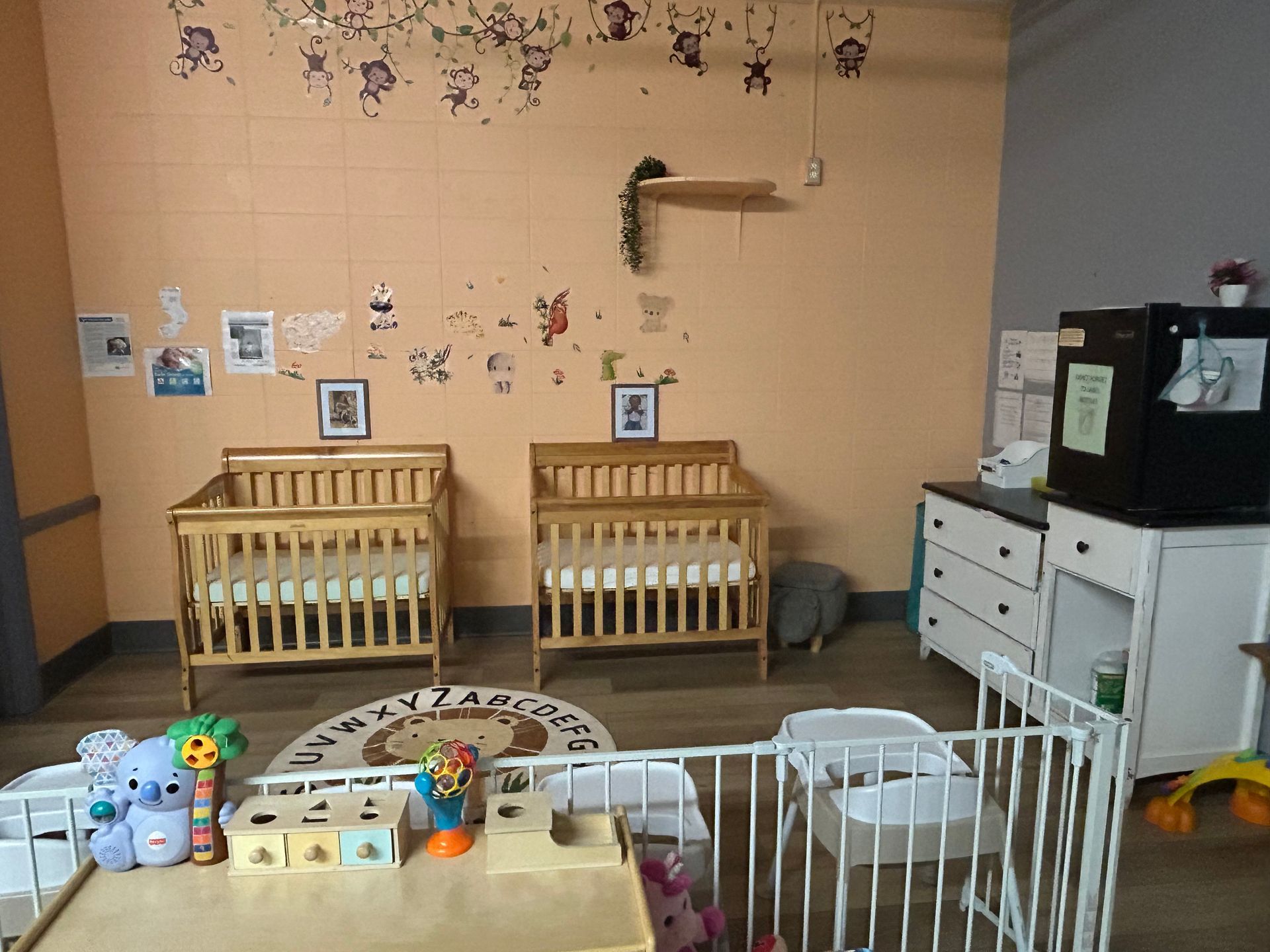
Science exploration is a major part of the curriculum, opening young minds to the wonders of the physical world. Simple experiments, such as observing how plants grow, ignite curiosity and introduce basic scientific concepts in a pre k setting. Teachers guide this exploration by posing thoughtful questions that lead to a deeper understanding of the environment. According to Zero To Three, center-based care for those under three years of age suggests a ratio of one staff member for every four students, with a total group size limit of eight. This level of supervision allows for safe and detailed scientific discovery.
Enhancing Attention and Focus Skills
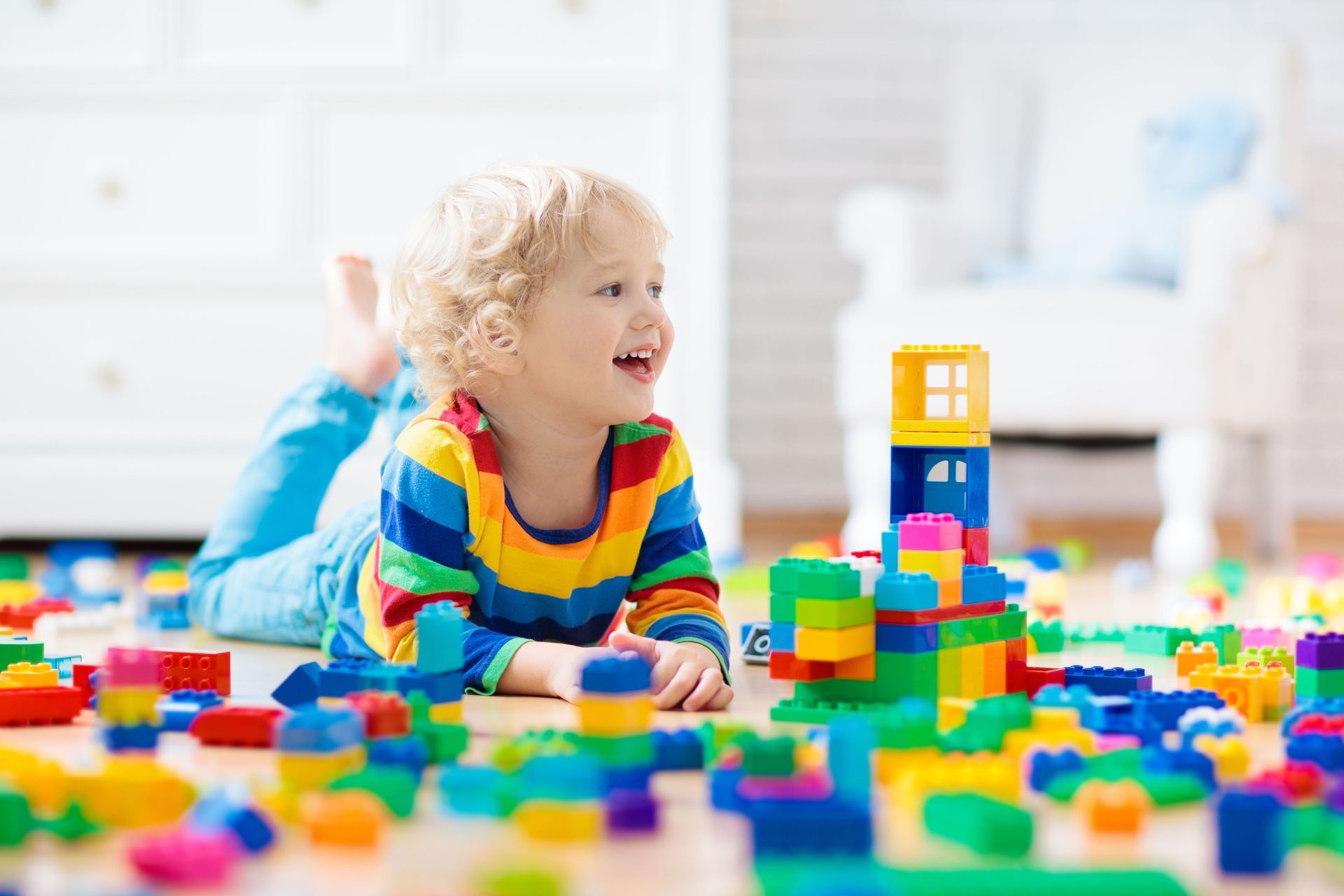
Developing the ability to concentrate is a core objective of early childhood education, as it is crucial for future academic success. While young children naturally have shorter attention spans, the structured nature of a pre k classroom helps them expand their ability to focus. Teachers use strategies like rhythmic movements and interactive storytelling to keep children engaged across different sensory modalities. By participating in tasks that require sustained effort, such as building blocks or puzzles, children practice resisting distractions. This steady exposure to focus-building tasks in a positive environment strengthens cognitive endurance over time.
Developing Social Skills and Friendships
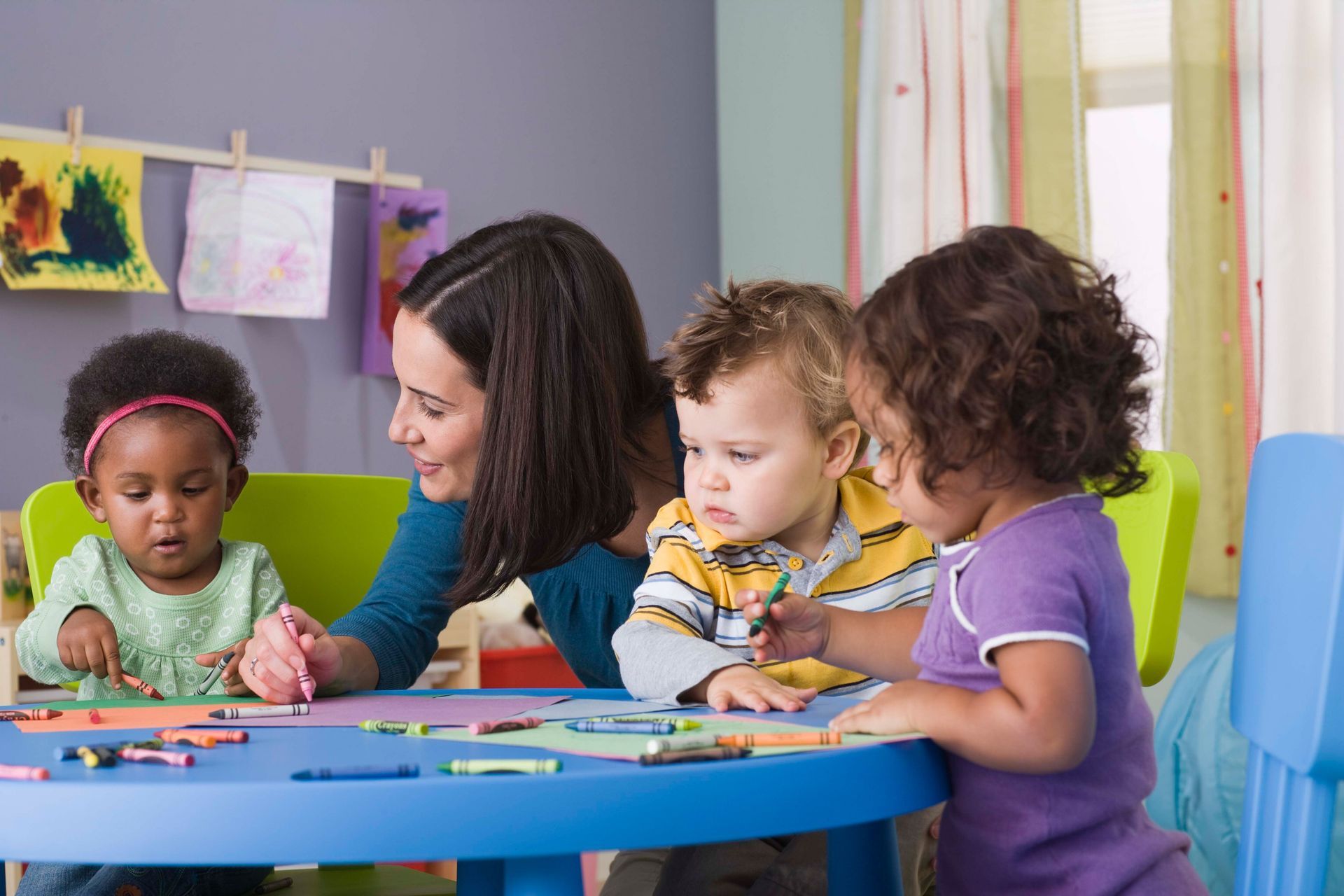
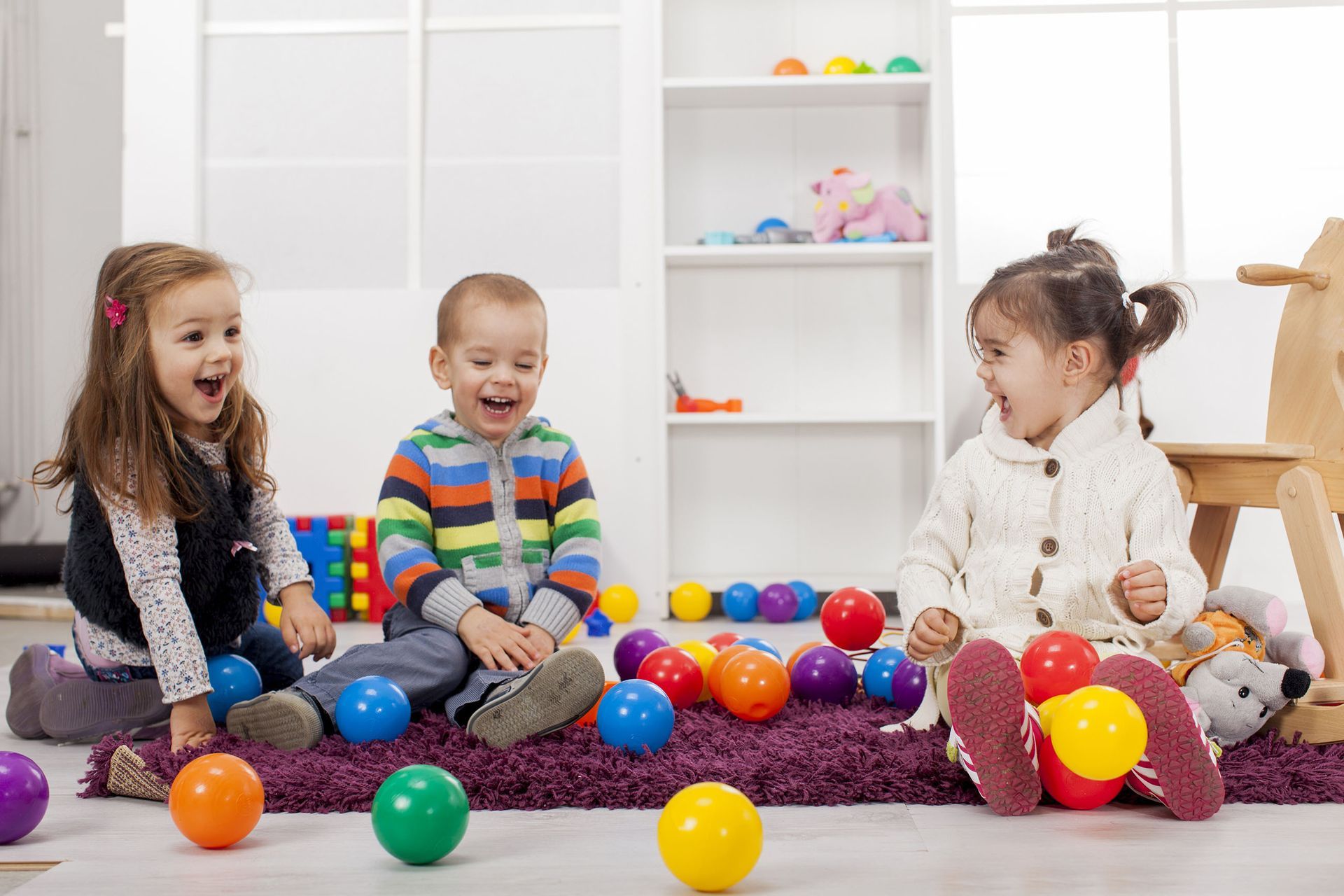
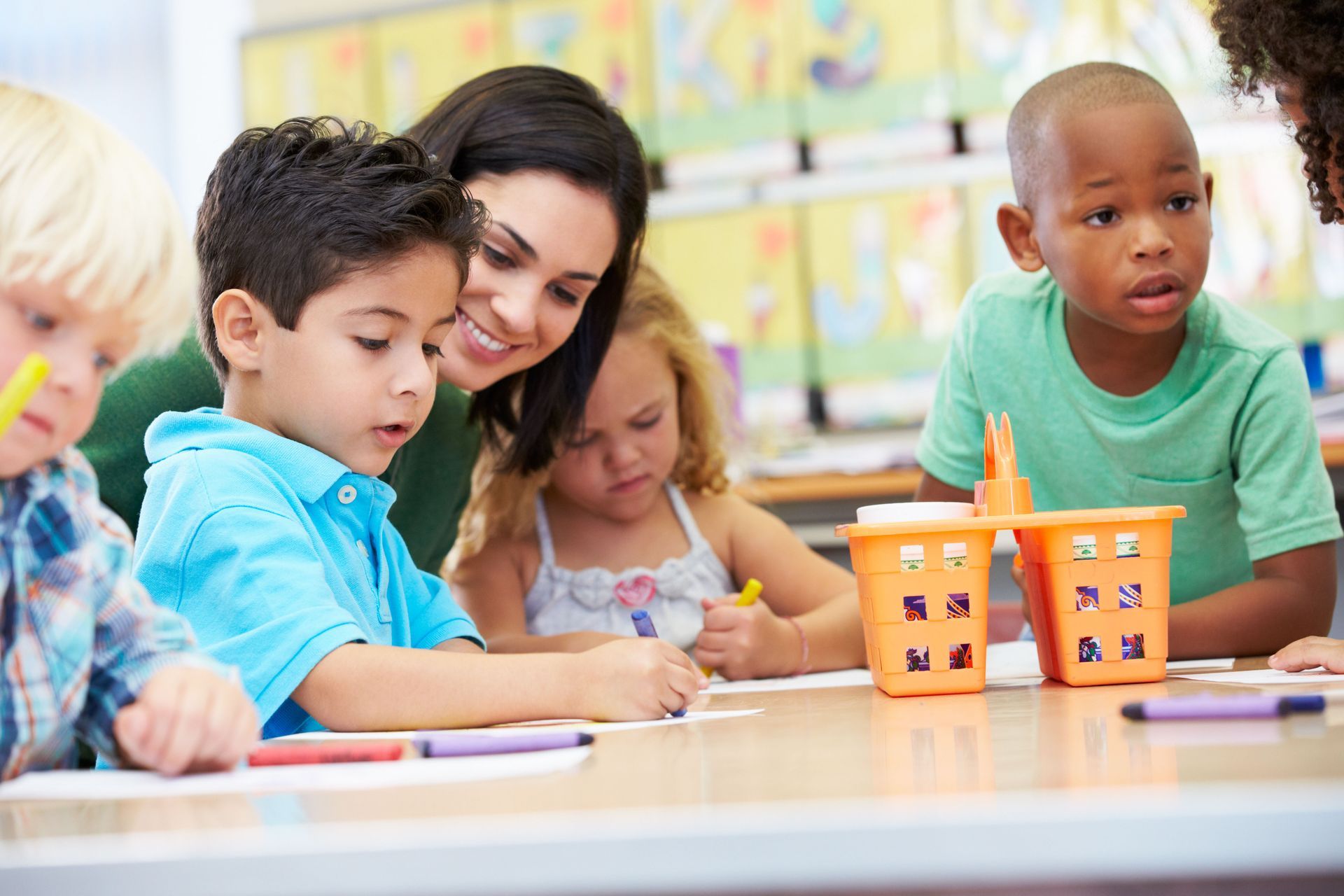
Early childhood programs place a significant emphasis on peer interaction to help children develop emotional intelligence. Forming friendships is central to the pre k experience, where both structured and unstructured play provide opportunities for social growth. During these interactions, children learn the fundamentals of sharing, cooperation, and taking turns. Educators model positive social behaviors and intervene when necessary to help children resolve misunderstandings. These formative experiences teach young learners how to build and maintain healthy relationships, which are skills that will benefit them throughout their entire lives.
Promoting Inclusion and Respecting Diversity
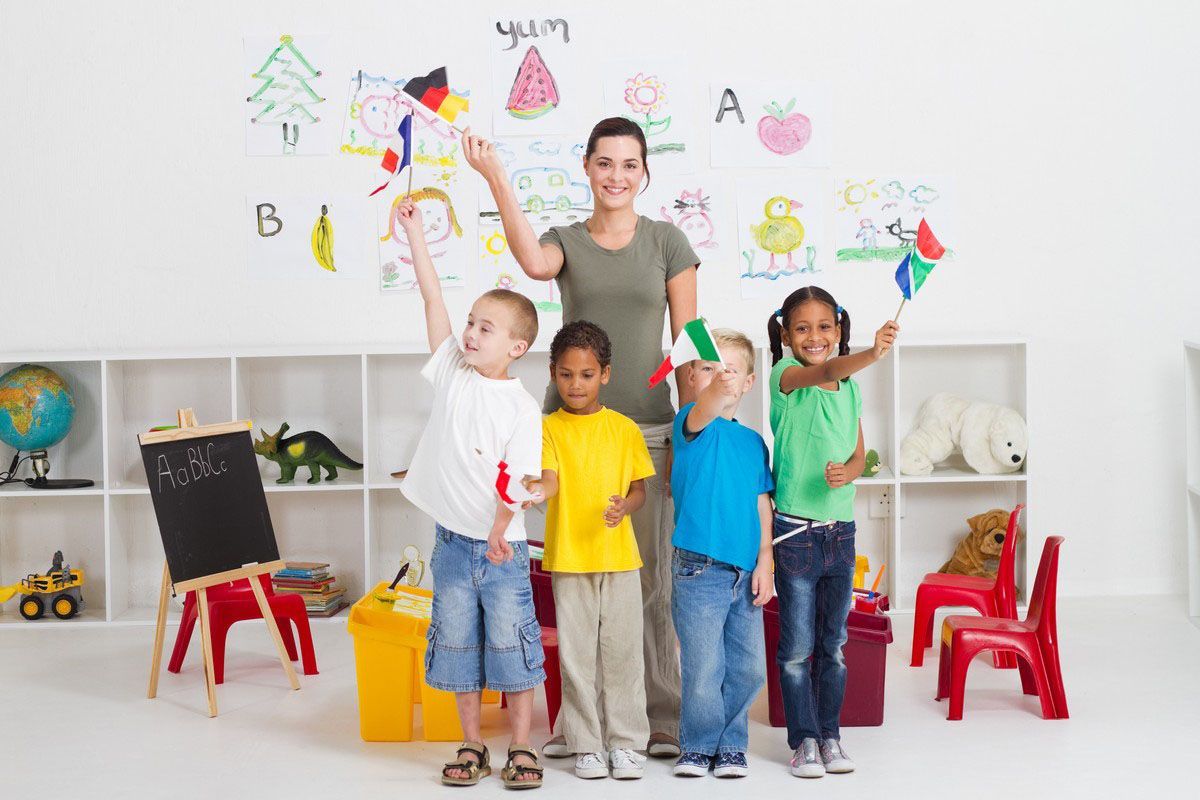
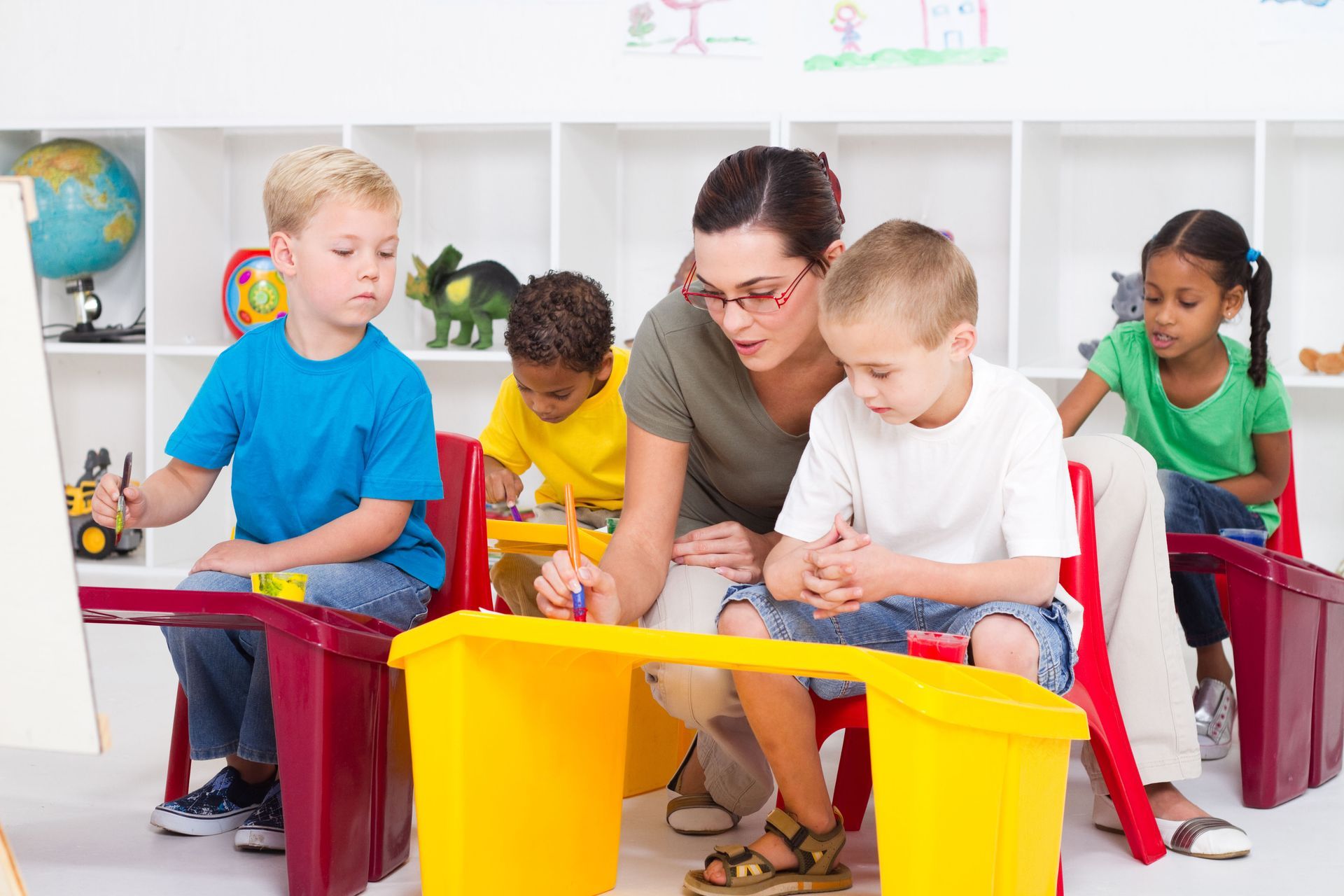
One of the key social competencies emphasized in early education is helping children understand and respect differences. A diverse pre k classroom fosters an environment of acceptance and appreciation for various cultures and backgrounds. Activities such as multicultural storytelling and music from around the world promote empathy and kindness. Teachers play a critical role by modeling respectful behavior and guiding discussions about fairness. This inclusive approach ensures that every child feels valued for their unique contributions, creating a bedrock for a more tolerant and compassionate society in the future.
Mastering Conflict Resolution and Cooperation
Learning to handle disagreements and engage in cooperative play are essential skills taught by professional providers. When children encounter disputes over toys or turns in a pre k environment, teachers guide them through resolution strategies like active listening. These skills empower children to handle challenges constructively and increase their emotional intelligence. Cooperative play, such as working together on a large art project, teaches children to consider the perspectives of others. By learning to collaborate early on, children develop the communication skills necessary to navigate complex social situations as they grow older.
Cultivating Empathy and Emotional Compassion
Developing a sense of empathy is a major aspect of social and emotional learning for young children. While they may start out with an egocentric view, children in a pre k program learn to relate to the emotions of their peers through role-playing and stories. Teachers encourage simple acts of kindness, such as offering comfort to a friend, and celebrate these moments in the classroom. This focus on emotional vocabulary helps children express their feelings and understand how their actions impact those around them. Cultivating compassion early leads to stronger interpersonal relationships and more effective communication.
Advancing Communication and Listening Skills
Effective speaking and listening skills are vital for a child's overall development, and early education provides the perfect setting to master them. Through group discussions and circle time, children in a pre k setting learn to articulate their thoughts clearly. Teachers encourage active listening, which helps children respond appropriately to their peers and ask relevant questions. Sharing circles allow children to practice verbal expression, which enhances their vocabulary and helps them structure their ideas. These foundational communication skills serve as the building blocks for lifelong interpersonal competence and academic achievement.
Identifying Emotions and Self-Regulation
In high-quality early learning programs, significant effort is spent helping children identify and manage their emotions effectively. Teachers use tools like emotion cards and guided discussions to help children label feelings such as happiness, frustration, or fear. Creating a safe space for this expression is a hallmark of a professional pre k environment. When children can articulate their internal states verbally, they are less likely to act out physically. This development of self-awareness and self-control is essential for emotional regulation, leading to a more harmonious and supportive classroom culture for everyone involved.
Building Confidence and Personal Independence
Early childhood education plays a fundamental role in building self-confidence and fostering a sense of independence. By encouraging self-directed play, educators in a pre k setting instill a sense of autonomy in each child. Classroom routines, such as tidying up or selecting a book, provide opportunities for children to make decisions and experience a sense of mastery. Teachers offer positive reinforcement for effort rather than just success, which helps children develop resilience. As they gain confidence, children become more willing to take on new challenges and step out of their comfort zones with enthusiasm.
The journey through early childhood education is a transformative period that prepares children for the complexities of the world. By focusing on the whole child, cognitive, social, and emotional, these programs ensure a smooth transition into later grades. The skills gained in a professional learning environment provide a sturdy foundation upon which all future learning is built. Families looking for a supportive and enriching start for their children will find exactly what they need at Small Steps Preschool.


Share On: