
7 Important Safety Standards Every Child Care Center Should Meet
Choosing care for a young child is a meaningful decision for any family. Parents want a place where their children can learn, play, explore, and feel comfortable throughout the day. Safety plays a major role in that decision. When a center prioritizes strong safety standards, it helps create an environment where children can focus on learning and growing rather than dealing with preventable risks.
A well-run child care center does far more than supervise children. It establishes thoughtful policies, prepares staff members for real-world situations, and maintains spaces designed with young learners in mind. These standards help protect children physically and emotionally while also supporting their development.
Understanding what strong safety practices look like can help parents feel more confident when evaluating care options. The following safety standards highlight what families should expect to see when visiting or enrolling in a local child care center.
1. Creating a Safe Physical Environment
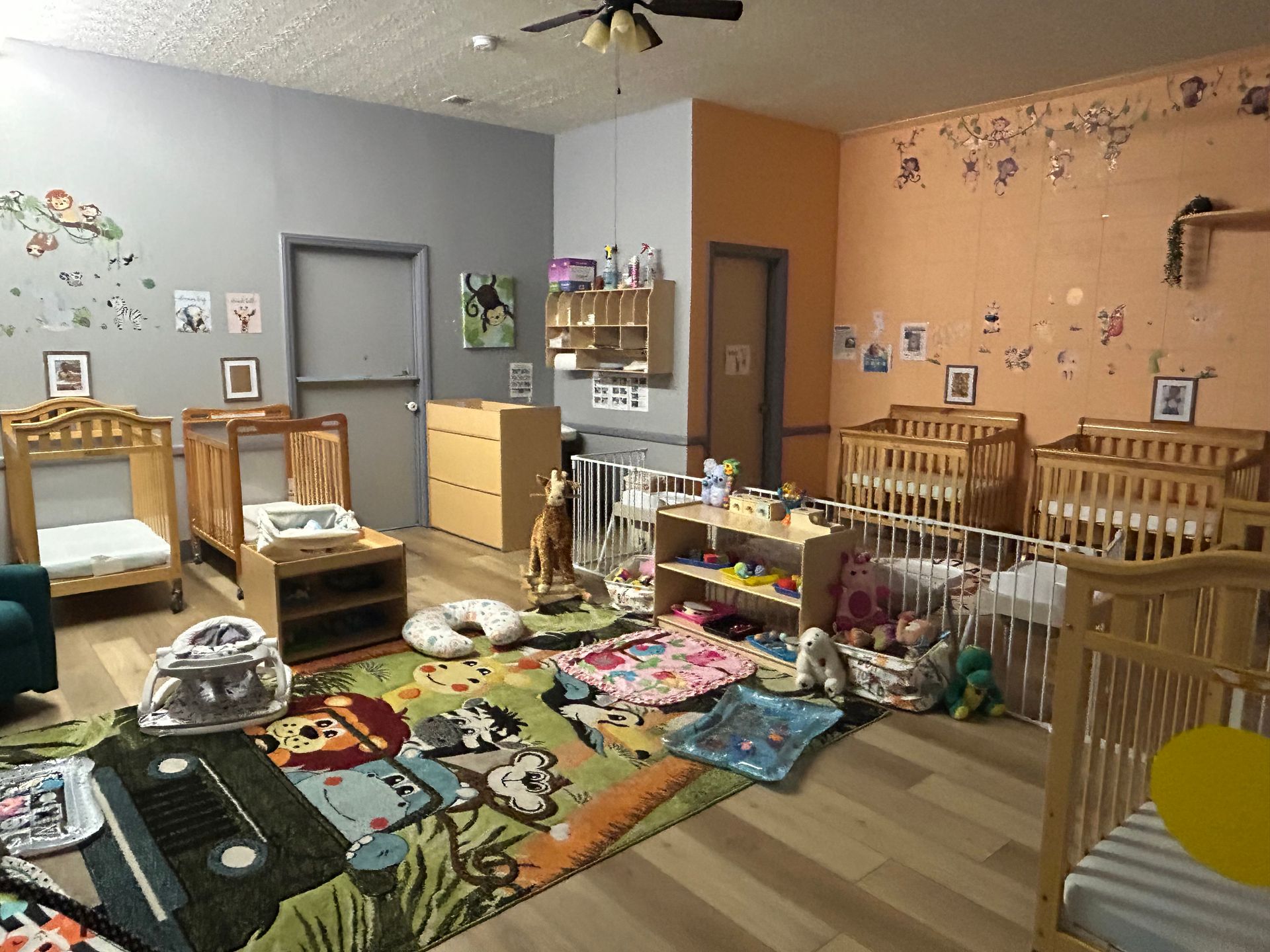
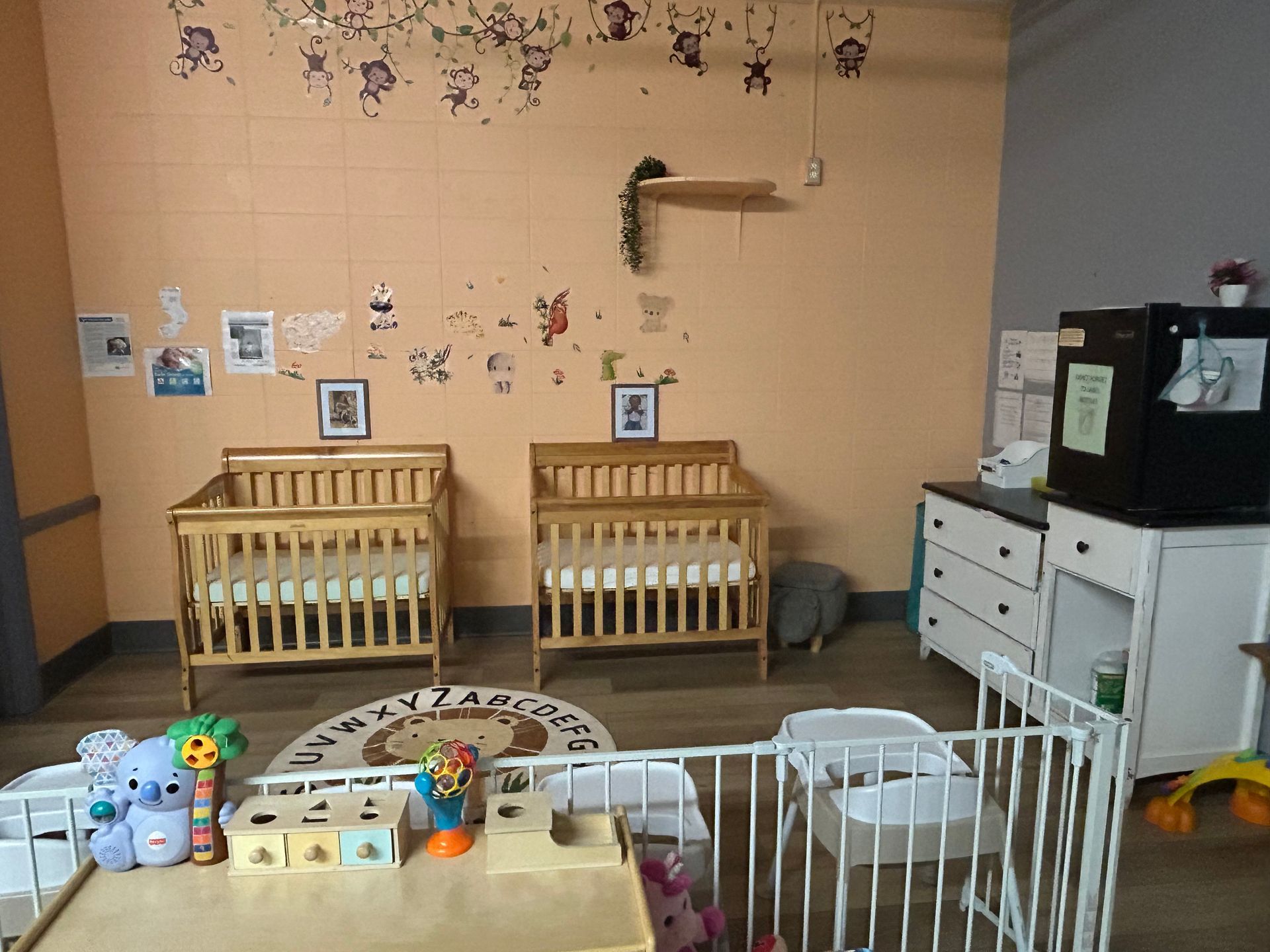
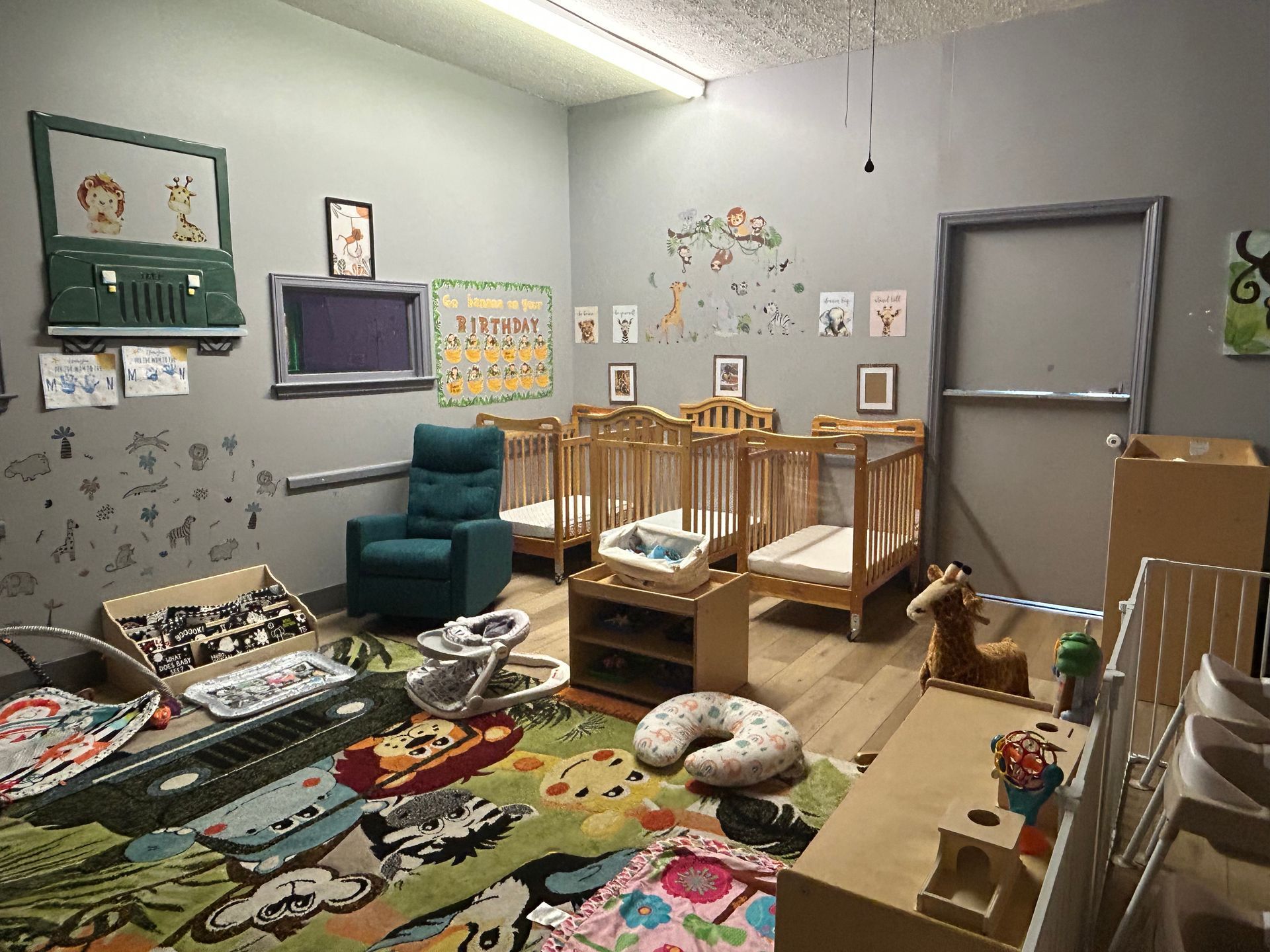
The physical environment inside a child care setting should always support safety first. Classrooms, play areas, and common spaces need to be organized in ways that reduce potential hazards while encouraging exploration.
Furniture should be sturdy and arranged so children can move around comfortably without bumping into unstable objects. Materials used for play and learning should be age-appropriate and regularly inspected to ensure they remain in good condition. Even small details, such as securing shelving units or keeping cords out of reach, contribute to a safer space.
Cleanliness is another important part of maintaining a safe environment. Floors should be kept clear of clutter, surfaces should be sanitized regularly, and shared materials should be cleaned after use. When these habits become part of everyday routines, they help reduce accidents and limit the spread of illness.
Parents often notice these details during tours. A well-organized space signals that the local child care center values thoughtful planning and daily upkeep.
2. Maintaining Proper Staff Training and Supervision
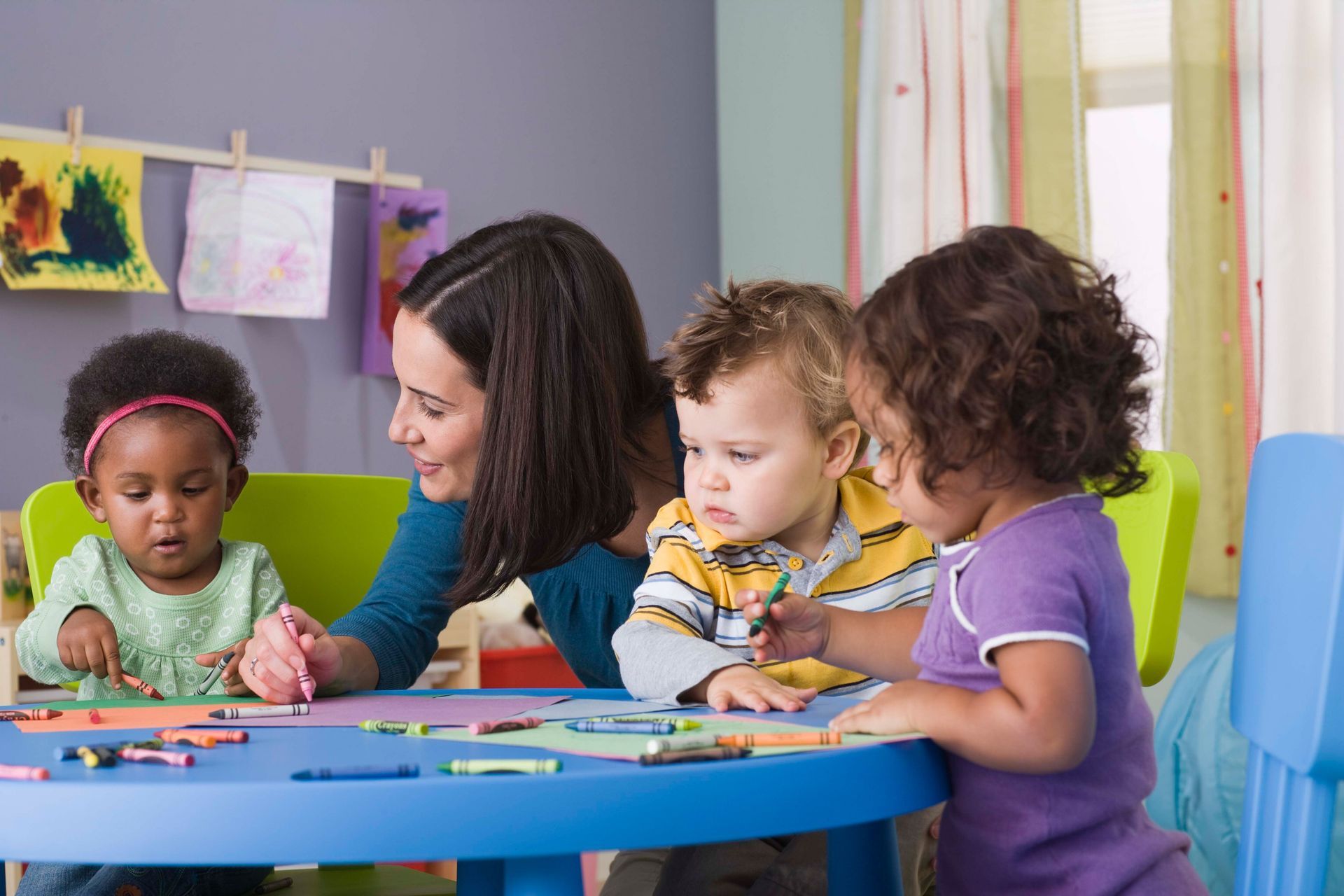
Children rely on attentive adults throughout the day, which makes staff preparation one of the most important safety standards in early learning environments. Caregivers must understand how to supervise children effectively while also supporting their emotional and developmental needs.
Training should include guidance on child development, communication strategies, and safety procedures. Staff members should also know how to respond calmly in unexpected situations. Preparation helps caregivers remain focused and attentive even during busy moments.
Consistent supervision is equally important. Children naturally explore their surroundings, and caregivers must remain aware of where each child is at all times. This awareness helps prevent accidents before they happen.
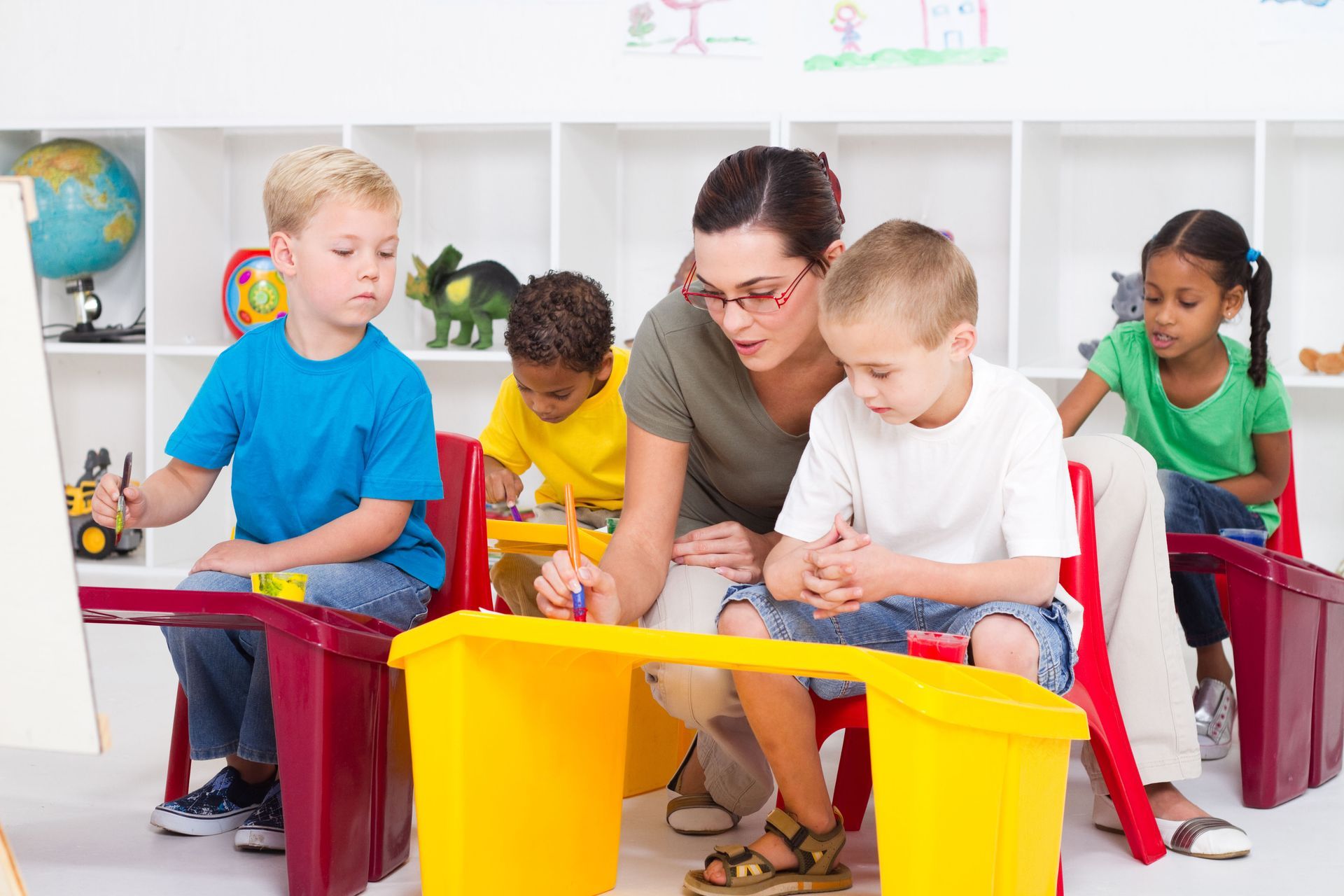
When parents observe classrooms in a local child care center, they often notice how teachers interact with children. Engaged caregivers who actively monitor activities help create an environment where children feel supported and safe.
3. Practicing Clear Health and Hygiene Procedures
Health and hygiene play a key role in protecting children within group care environments. Young learners share toys, learning materials, and play spaces throughout the day, which makes consistent cleaning practices essential.
Handwashing routines are one of the most effective ways to maintain a healthy environment. Children should be guided to wash their hands during key moments throughout the day, such as before meals or after outdoor play. Teaching these habits early helps children develop strong hygiene awareness.
Centers should also maintain clear procedures for cleaning toys, surfaces, and common areas. Items used by multiple children should be sanitized frequently, and materials that become damaged or difficult to clean should be replaced.
Illness policies are another important element. Families should understand when children should remain home and how the center communicates with parents if symptoms appear during the day. When these guidelines are clearly explained and consistently followed, the entire community benefits.
These routines help ensure that a local child care center remains a healthy place for children to learn and interact with others.
4. Preparing for Emergency Situations
Even with careful planning, unexpected situations can occur. That is why emergency preparedness is a fundamental safety standard for child care programs.
Centers should have clear procedures in place for a variety of situations, including severe weather, building emergencies, or medical concerns. Staff members should understand their roles and responsibilities so they can respond quickly and calmly when needed.
Communication also plays an important role in emergency planning. Families should know how the center will contact them if a situation arises and what steps will be taken to protect the children in care.
Practice drills can help staff and children become familiar with safety routines calmly and reassuringly. Parents often feel reassured when a local child care center openly explains its emergency procedures and demonstrates a clear plan for protecting children.
5. Supporting Safe Outdoor Play and Exploration
Outdoor play is an important part of childhood. It allows children to move freely, explore nature, and develop coordination through active play. At the same time, outdoor environments must be carefully maintained to support safety.
Playground equipment should be designed for young children and checked regularly for stability and wear. Surfaces beneath play structures should provide cushioning that helps reduce the impact of falls, and fencing should keep children within designated areas.
Supervision during outdoor play should remain consistent with indoor practices. Caregivers need clear sightlines and an understanding of how children interact with equipment and each other.
When a local child care center balances exploration with careful supervision, children gain the freedom to play while remaining protected.
6. Encouraging Clear Communication With Families
Safety in child care settings also relies on strong communication between families and staff members. When parents and caregivers share information openly, it becomes easier to support each child’s needs.
Daily conversations during drop-off and pick-up provide opportunities to exchange updates about a child’s day. Caregivers may share details about activities or moods, while parents can communicate anything that may affect the child’s comfort during the day.
Centers should also provide clear information about policies, schedules, and expectations. Written guidelines help families understand how the program operates and how safety practices are maintained.
When communication flows easily, families feel more connected to the environment their children experience each day. That sense of partnership strengthens the community within a local child care center.
7. Nurturing Emotional Safety and Supportive Relationships
Safety extends beyond physical surroundings. Emotional well-being is equally important in early childhood settings. Children thrive when they feel valued, supported, and understood by the adults around them.
Caregivers should focus on building positive relationships with every child. Encouraging words, patient guidance, and attentive listening help children develop confidence and a sense of belonging. When children feel emotionally secure, they are more likely to explore new ideas and participate in group activities.
According to UNESCO, early childhood care and education from birth to age eight is considered vital because it aligns with a key period of brain development. Supportive environments during these early years can influence how children learn, interact with others, and approach new experiences.
When emotional well-being becomes a priority, a local child care center becomes more than a place for supervision. It becomes a community where children feel encouraged to grow socially and intellectually.
Safety standards are not simply a list of rules. They reflect a commitment to creating environments where children can explore the world with curiosity and confidence. From maintaining clean classrooms to preparing staff members and supporting emotional growth, these practices help children feel secure while they learn each day.
If you are looking for a nurturing environment that values safety, learning, and supportive relationships, consider exploring the programs offered at Small Steps Preschool.







Share On: