How a Preschool Care Center Helps Children Build Social Skills
Social skills are at the heart of a child’s growth, shaping how they communicate, connect, and understand the world around them. The early years are especially important because children are learning how to share, listen, and express emotions for the very first time. That’s where preschool centers step in and make a lasting difference.
For many families today, these environments are more essential than ever. According to the Center for American Progress, nearly 70% of children younger than six, about 14.7 million, live in households where all parents are employed. That means children are spending more time in preschool centers, where they not only receive care but also develop the social skills that will guide them throughout life. From structured play to emotional growth, these nurturing spaces create everyday opportunities for children to learn how to interact, cooperate, and thrive.
Encouraging Structured Play In Social Development
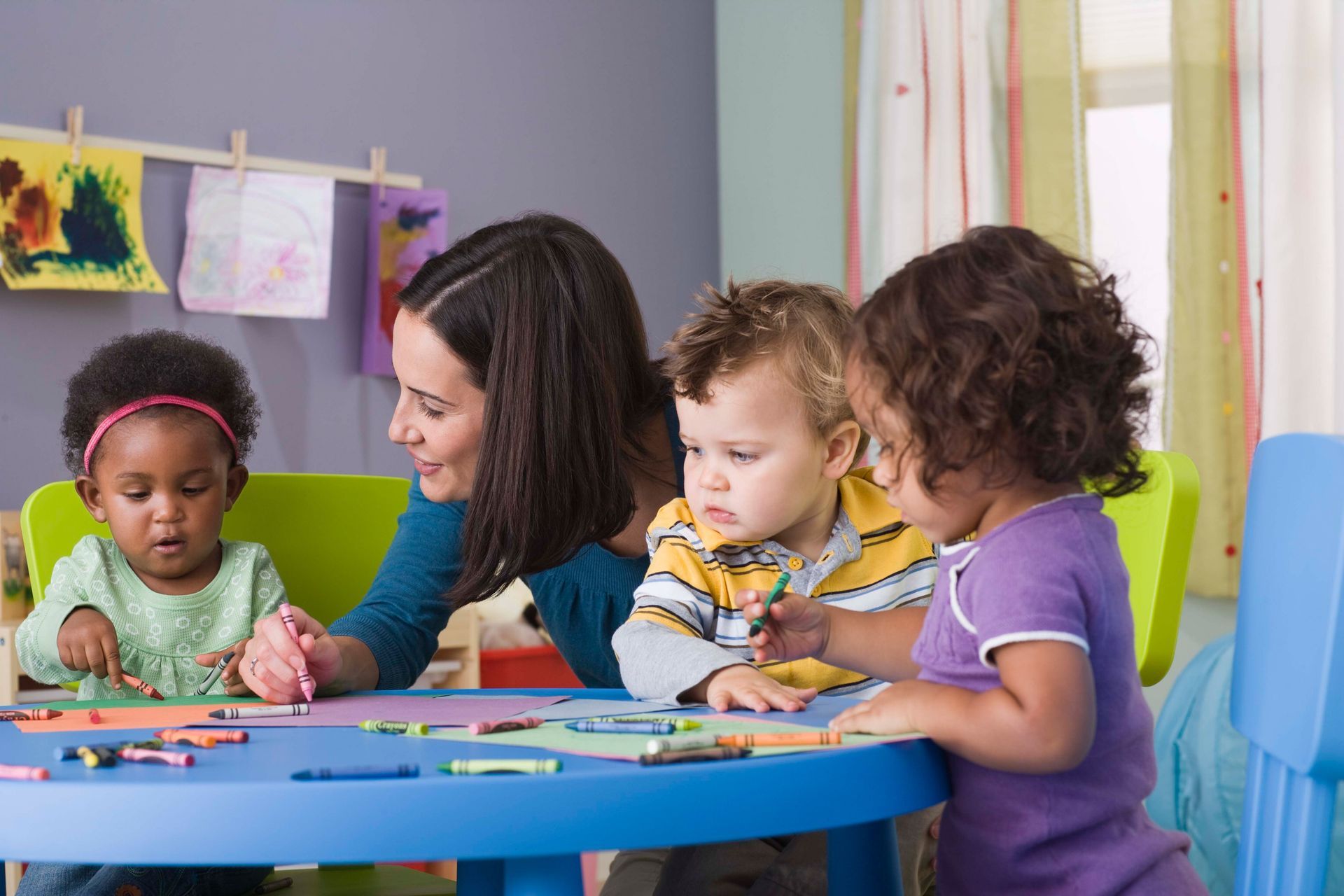
Structured play is one of the most powerful tools used in preschool centers to help children build social skills. Unlike free play, structured play is guided with a purpose. Think of group games, storytelling circles, or hands-on activities that encourage interaction while still being fun and engaging.
These activities give children a sense of direction. They begin to understand routines, follow instructions, and participate as part of a group. It is in these moments that children learn how to take turns, listen to others, and respect shared spaces. Over time, those small lessons turn into strong social habits.
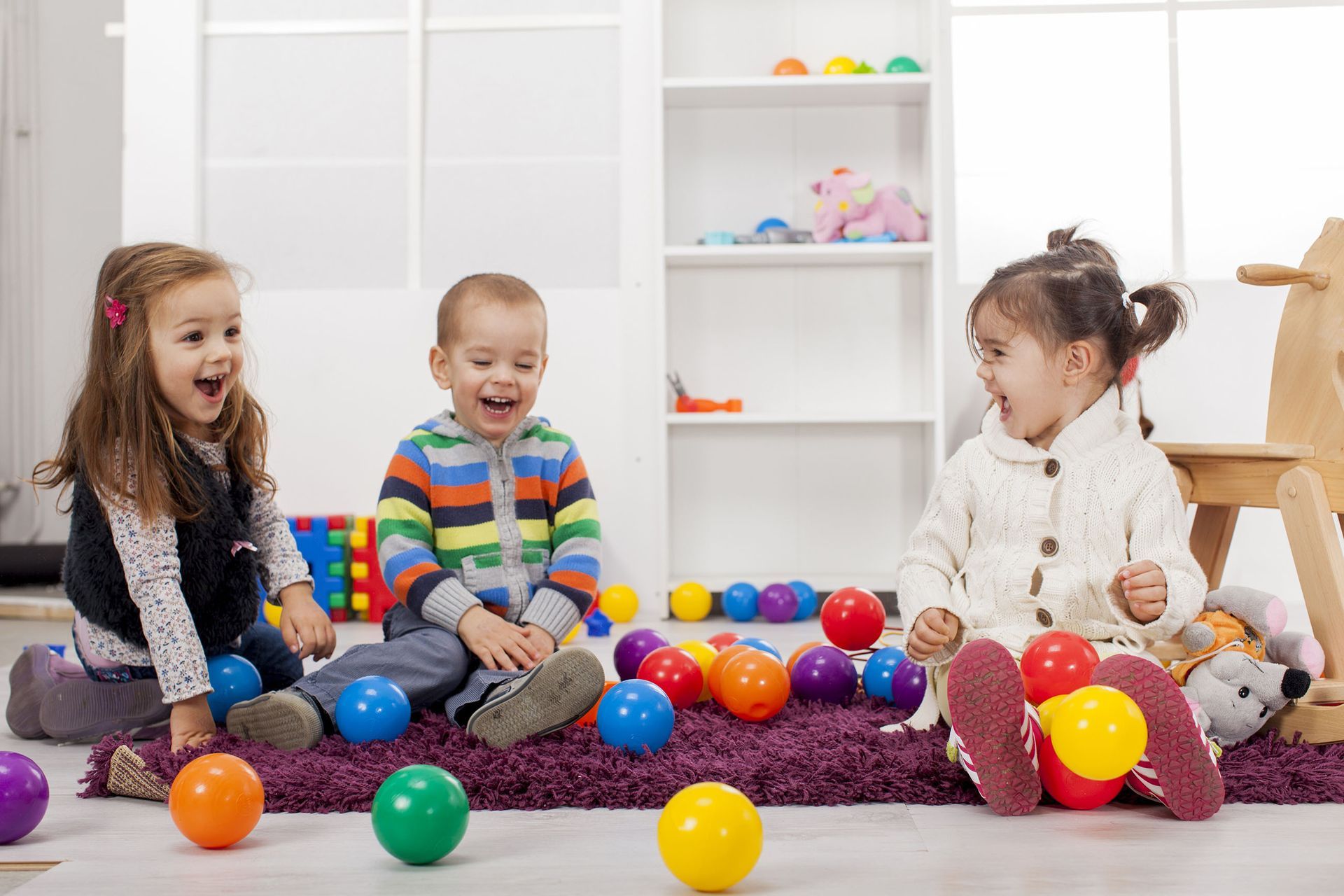
You will often see children working together on puzzles, playing games like musical chairs, or acting out stories. These experiences are not just playtime. They are opportunities to practice real-world social situations in a safe and supportive setting. Teachers gently guide interactions, helping children navigate challenges while celebrating teamwork and cooperation.
Structured play also supports cognitive growth. Children improve memory, attention, and problem-solving skills while interacting with peers. It is a natural way to combine learning and social development, which is why it remains a cornerstone of high-quality preschool programs.
Promoting Cooperative Behaviors
Learning how to cooperate with others is a major milestone in early childhood, and preschool centers create the perfect setting for that growth. Cooperation is more than just sharing toys. It is about working together, understanding different perspectives, and contributing to a group effort.
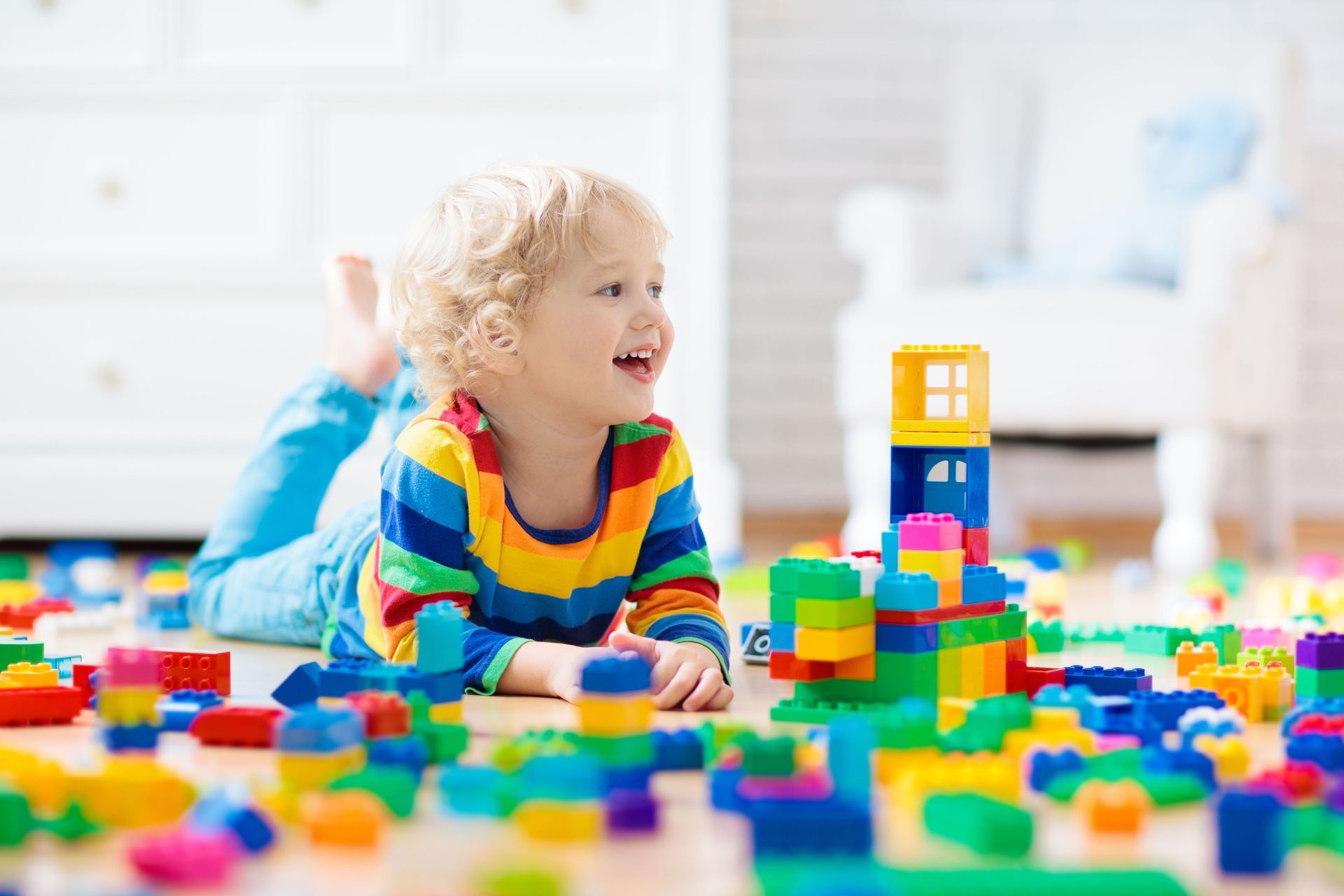
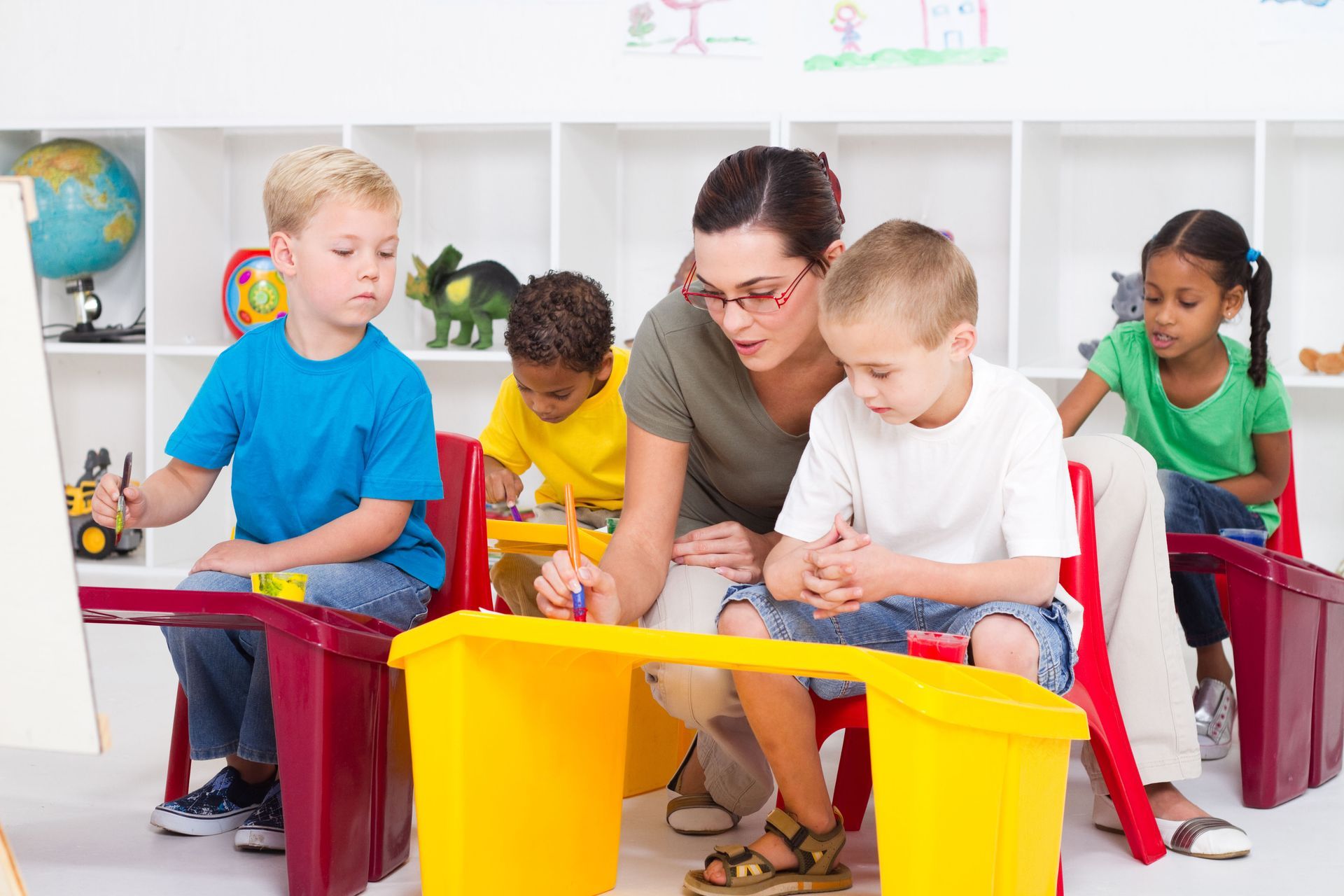
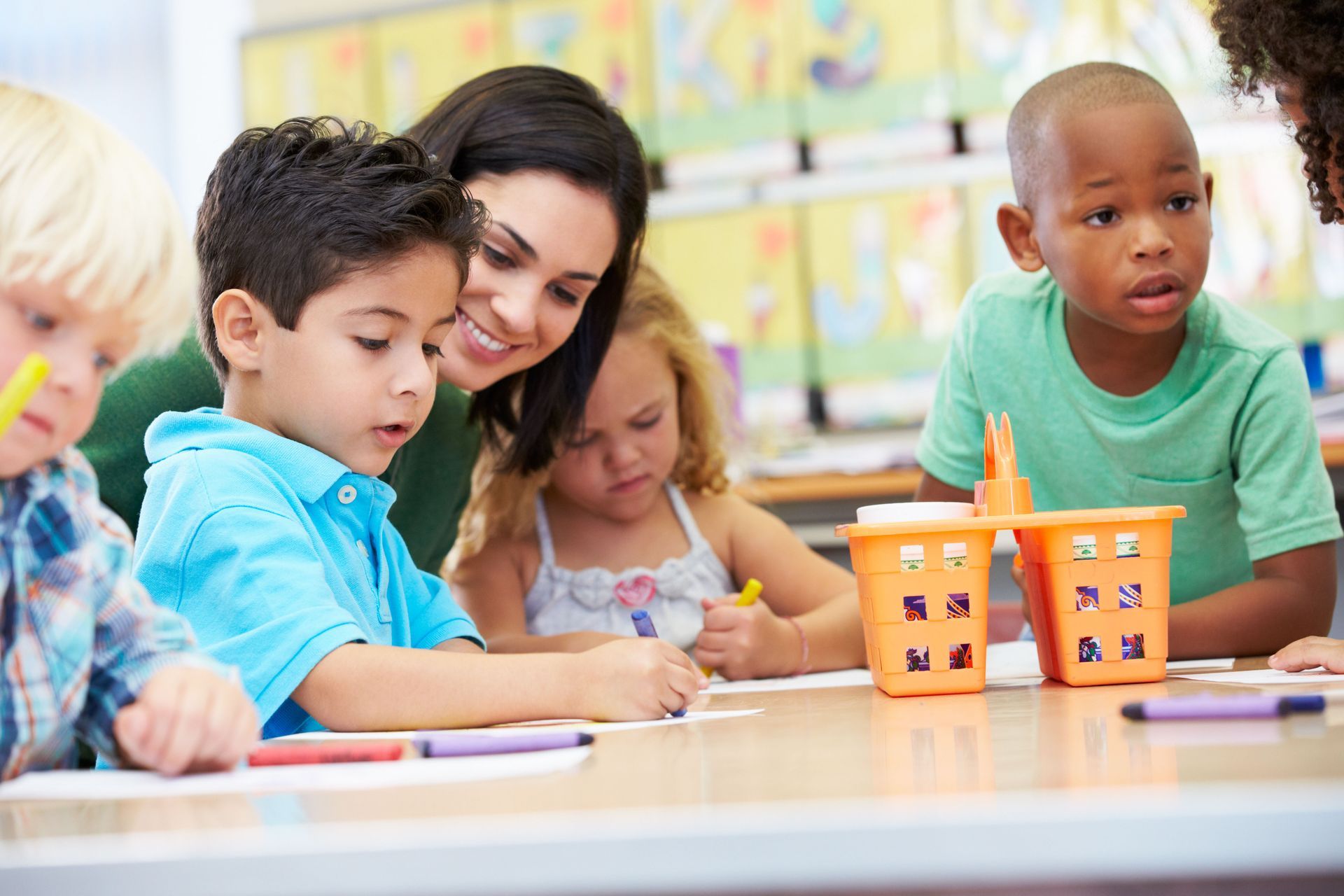
In a preschool environment, children participate in group projects like building something together, creating art, or completing simple team challenges. These shared experiences teach them how to rely on one another and celebrate collective success.
Of course, cooperation does not always come naturally at first. Disagreements happen, and that is actually a good thing. It gives children a chance to learn conflict resolution. With guidance from teachers, they begin to express their feelings, listen to others, and find solutions that work for everyone. These early lessons in communication and compromise are incredibly valuable.
Educators play a big role here by modeling positive behavior and encouraging teamwork. They step in when needed, offering gentle reminders and support, but they also allow children to work things out on their own when appropriate. Over time, children become more confident in their ability to collaborate and build friendships.
Facilitating Communication Skills
Communication is one of the most important social skills a child can develop, and preschool centers are full of opportunities to practice it every day. From morning greetings to group discussions, children are constantly learning how to express themselves and understand others.
Storytime is a favorite for many children, and it is also a powerful learning tool. Interactive storytelling encourages kids to ask questions, share ideas, and predict what might happen next. These conversations help expand vocabulary while building confidence in speaking.
Role-playing is another fun and effective approach. Whether children are pretending to run a store or act out a family scenario, they are practicing how to communicate in different situations. They learn how to ask for help, give directions, and respond to others in meaningful ways.
Teachers also focus on non-verbal communication. Simple things like eye contact, facial expressions, and body language are introduced through games and daily interactions. By combining verbal and non-verbal skills, children develop a well-rounded ability to connect with those around them.
Developing Emotional Intelligence
Emotional intelligence plays a huge role in how children interact with others, and it is something preschool centers actively nurture. At this stage, children are just beginning to understand their own emotions, let alone the feelings of others.
Through guided activities, children learn to identify emotions like happiness, frustration, or sadness. They begin to put words to their feelings, which helps reduce misunderstandings and outbursts. It is a big step toward building empathy and self-awareness.
Activities like emotion-based storytelling, drawing, and group discussions make it easier for children to explore how they feel. Teachers often use simple techniques like breathing exercises or quiet corners to help children manage strong emotions in a healthy way.
Empathy is another key focus. Children are encouraged to think about how others might feel in certain situations. Whether it is comforting a friend or sharing a toy, these small actions build compassion and understanding over time.
Caregivers and teachers model these behaviors every day. By showing patience, kindness, and understanding, they set an example that children naturally begin to follow.
Encouraging Diversity and Inclusion
One of the beautiful things about preschool centers is the diversity they often bring together. Children from different backgrounds, cultures, and experiences come into one shared space, creating a unique opportunity to learn about the world.
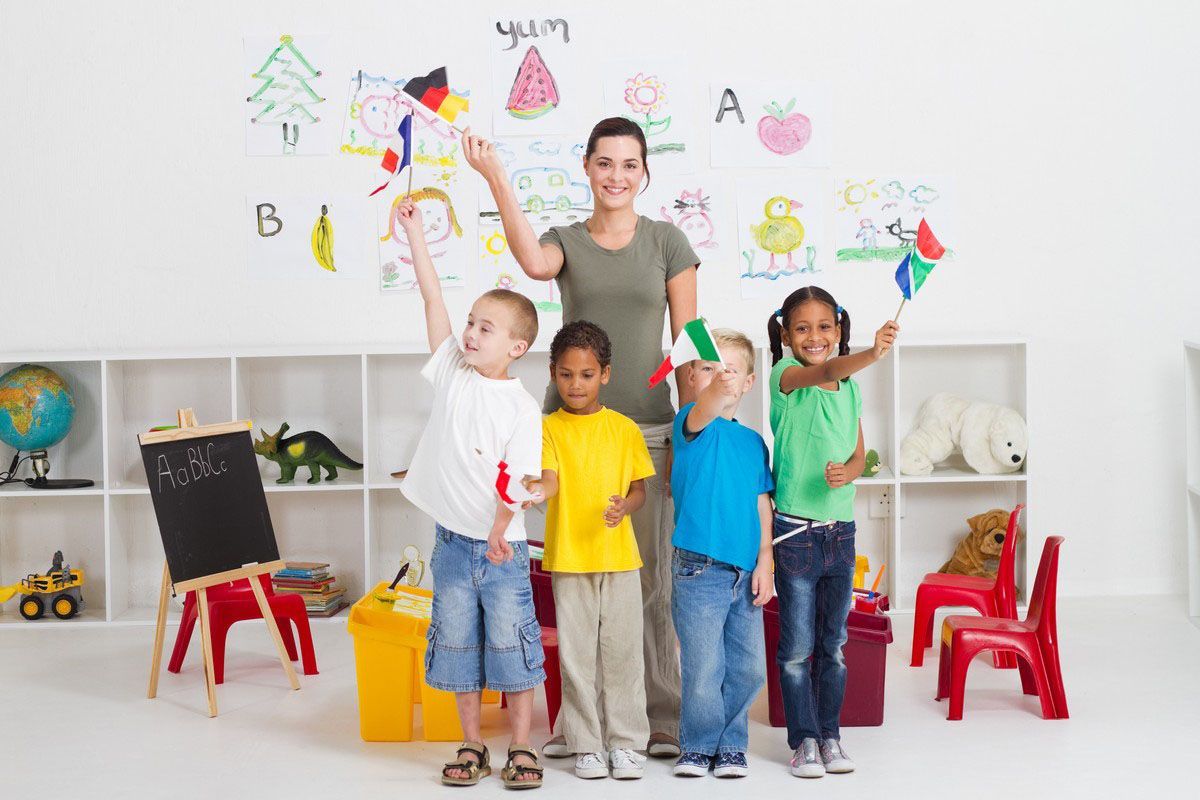
Early exposure to diversity helps children become more open-minded and accepting. They learn that differences are something to appreciate, not fear. Through stories, cultural activities, and inclusive play, children gain a broader understanding of the people around them.
Teachers play a big role in creating an inclusive environment. They introduce books, music, and activities that reflect a variety of cultures and traditions. This not only helps children feel seen and valued but also teaches them to respect others.
Collaborative activities further reinforce these lessons. When children work together, they begin to see the value in different perspectives and ideas. It builds a sense of community and belonging that carries into future relationships.
Building Confidence and Independence
Confidence and independence grow hand in hand, and preschool centers provide the perfect environment for both. When children feel supported, they are more willing to try new things, take small risks, and interact with others.
Simple daily routines like cleaning up, choosing activities, or helping set up snacks give children a sense of responsibility. These tasks might seem small, but they build a strong foundation for independence.
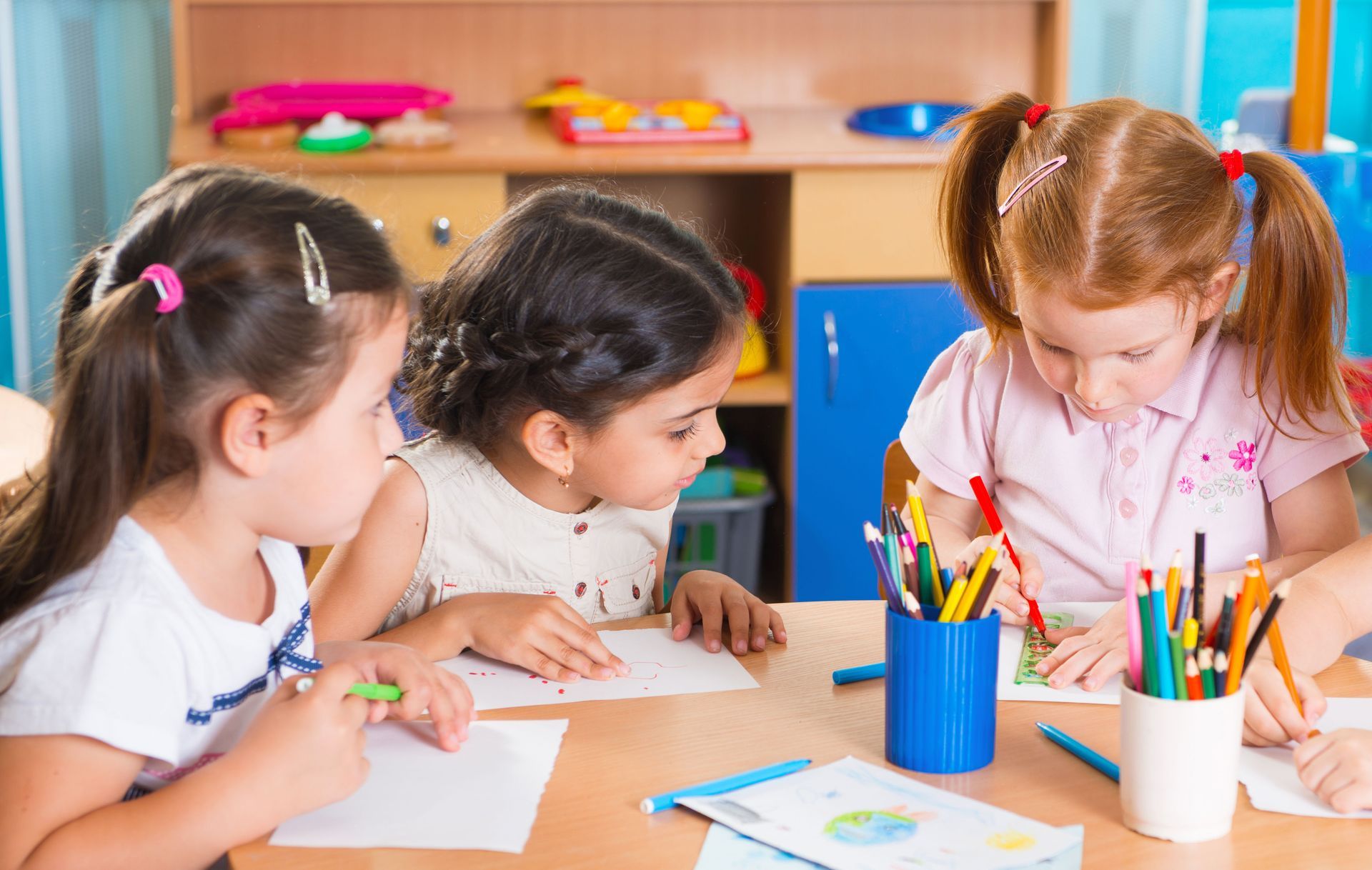
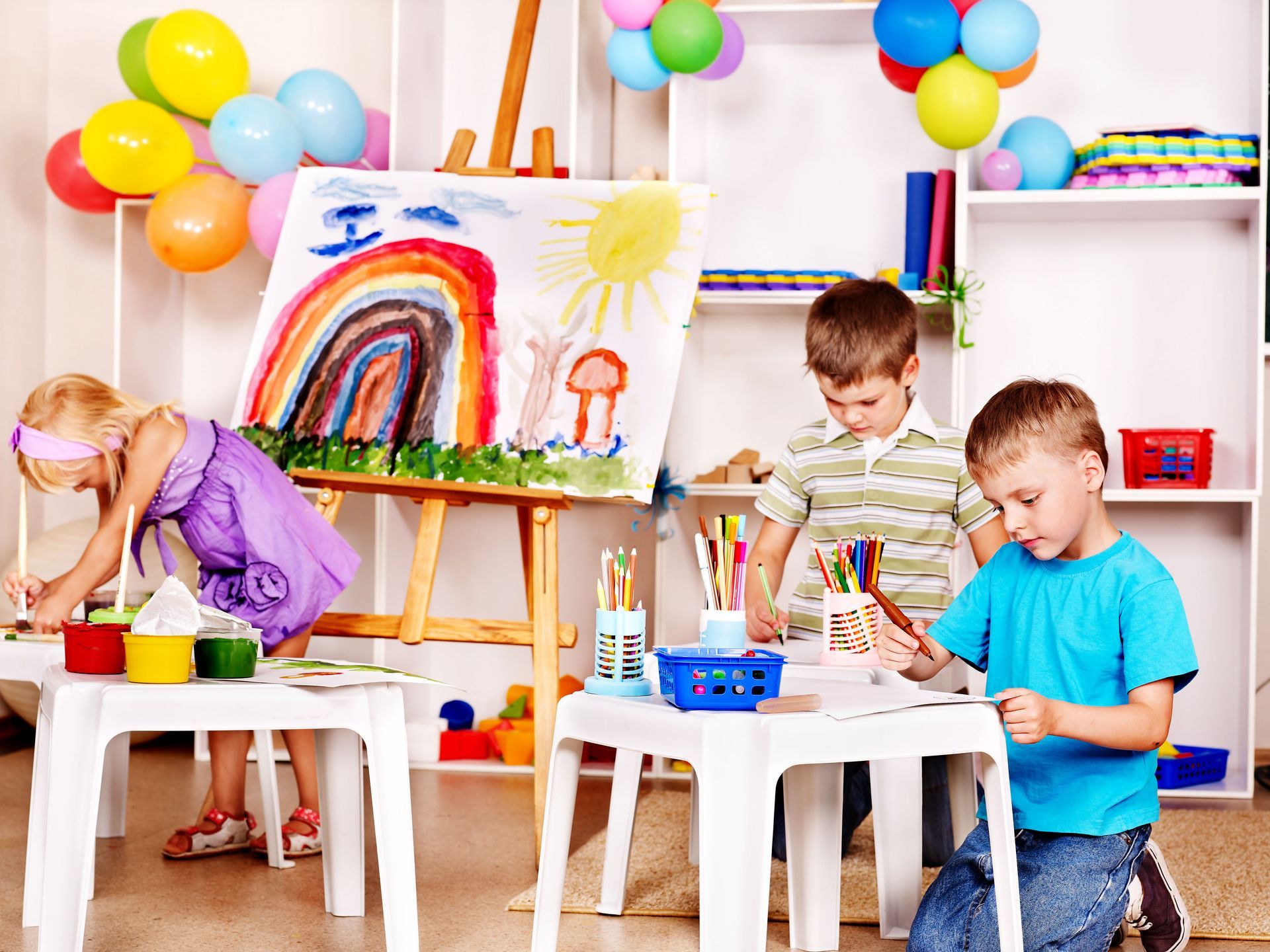
Self-expression is also encouraged through art, storytelling, and play. Children are given the freedom to share their thoughts and ideas, which helps them feel heard and valued. That confidence naturally carries over into social interactions.
Teachers create a supportive atmosphere where effort is recognized and celebrated. Instead of focusing only on results, they highlight progress and growth. This approach helps children build a positive self-image and feel more comfortable engaging with peers.
Over time, children become more confident in their abilities and more willing to participate in group activities, strengthening both independence and social skills.
At the end of the day, preschool centers are about more than early education. They are places where children learn how to connect, communicate, and grow into confident individuals ready to take on the world. If you are looking for a nurturing environment where your child can build these essential life skills, contact Small Steps Preschool today.
Share On: