Breaking Down the New Gold Standard for Preschool Quality
The landscape of early childhood education is evolving, and with it, the standards by which preschool quality is judged. As we move towards a new gold standard, understanding these criteria becomes crucial for educators, parents, and policymakers alike. This article explores the key components that define this new benchmark for excellence at every modern preschool center. To ensure preschool programs meet these standards, it’s essential to focus on several interdisciplinary aspects, such as curriculum design, teacher training, and creating an inclusive learning environment. The importance of these considerations is reinforced by the growing national enrollment figures, according to Education Week, where state-supported preschool programs have reached a historic peak of 1.8 million children.
The Role of Curriculum in Preschool Quality
In preschool education, the curriculum serves as the backbone that supports all aspects of teaching and learning. A research-based curriculum design relies on evidence from early childhood education studies to guide learning objectives. This type of curriculum is dynamic, meaning it is regularly updated to incorporate the latest educational research. To implement these curricula effectively, educators must be thoroughly trained, ensuring consistency and quality in preschool center settings. This alignment of standards helps in preparing children for the rigors of future education levels.
Technology integration in the preschool curriculum is another factor that defines quality education. While technology has the potential to augment learning, it must be incorporated appropriately and purposefully. Educators need to ensure that technology usage aligns with educational goals rather than distracting from them. Moreover, tech tools can offer personalized learning experiences, fostering greater engagement among young learners. This judicious use of technology supports the holistic development of children by supplementing traditional learning methods with interactive digital content.
Teacher Qualifications and Training
Highly qualified teachers are vital in achieving the gold standard in preschool quality. The minimum educational requirement for preschool teachers often includes a degree in early childhood education. This foundational knowledge equips teachers at a premier preschool center with a robust understanding of child development theories and educational best practices. To ensure these standards are upheld across the nation, educational policies often mandate specific qualifications for different teaching roles. Continuous improvement is essential, hence the need for ongoing professional development.
Mentorship and peer learning opportunities offer practical, experiential knowledge that enriches the skills of preschool teachers. Collaborative learning environments among teachers foster a sharing of ideas and strategies that are grounded in real-world classroom experiences. New teachers benefit immensely from mentors who can provide guidance and support as they develop their teaching styles. Peer learning also creates a network of support that encourages teachers to experiment with new methods and approaches safely. This collective experience is invaluable in enhancing the overall quality of preschool education.
Creating a Positive Learning Environment
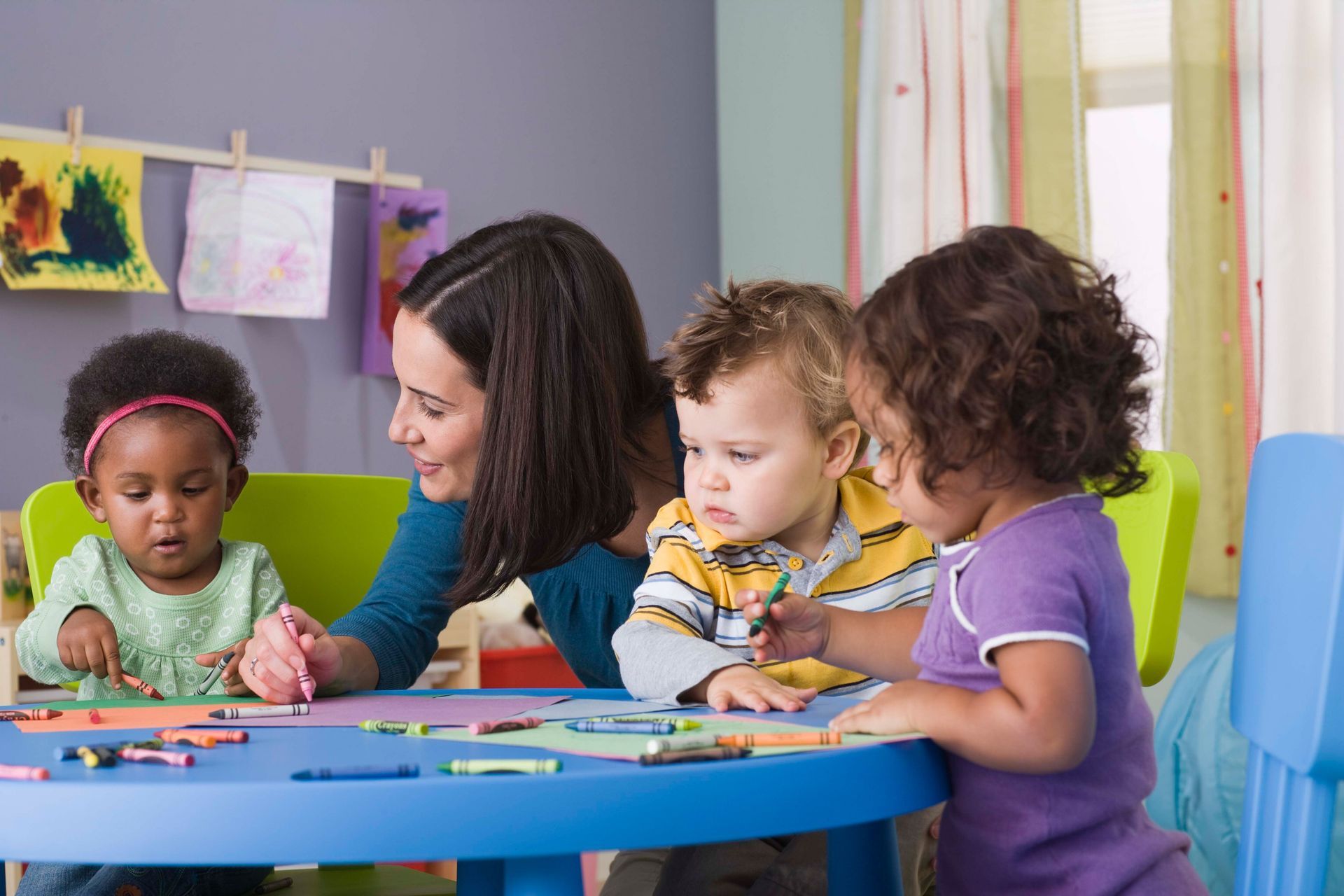
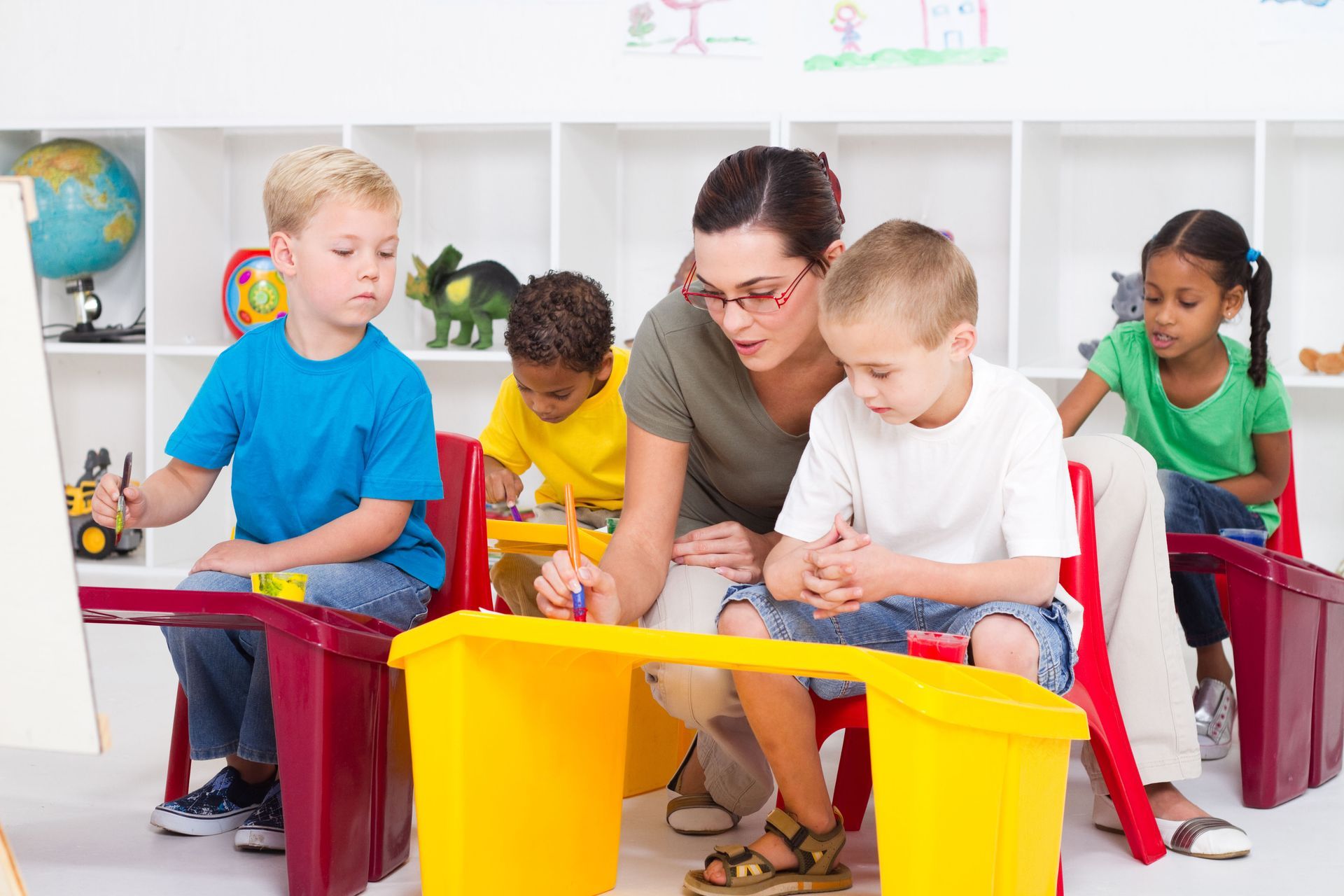
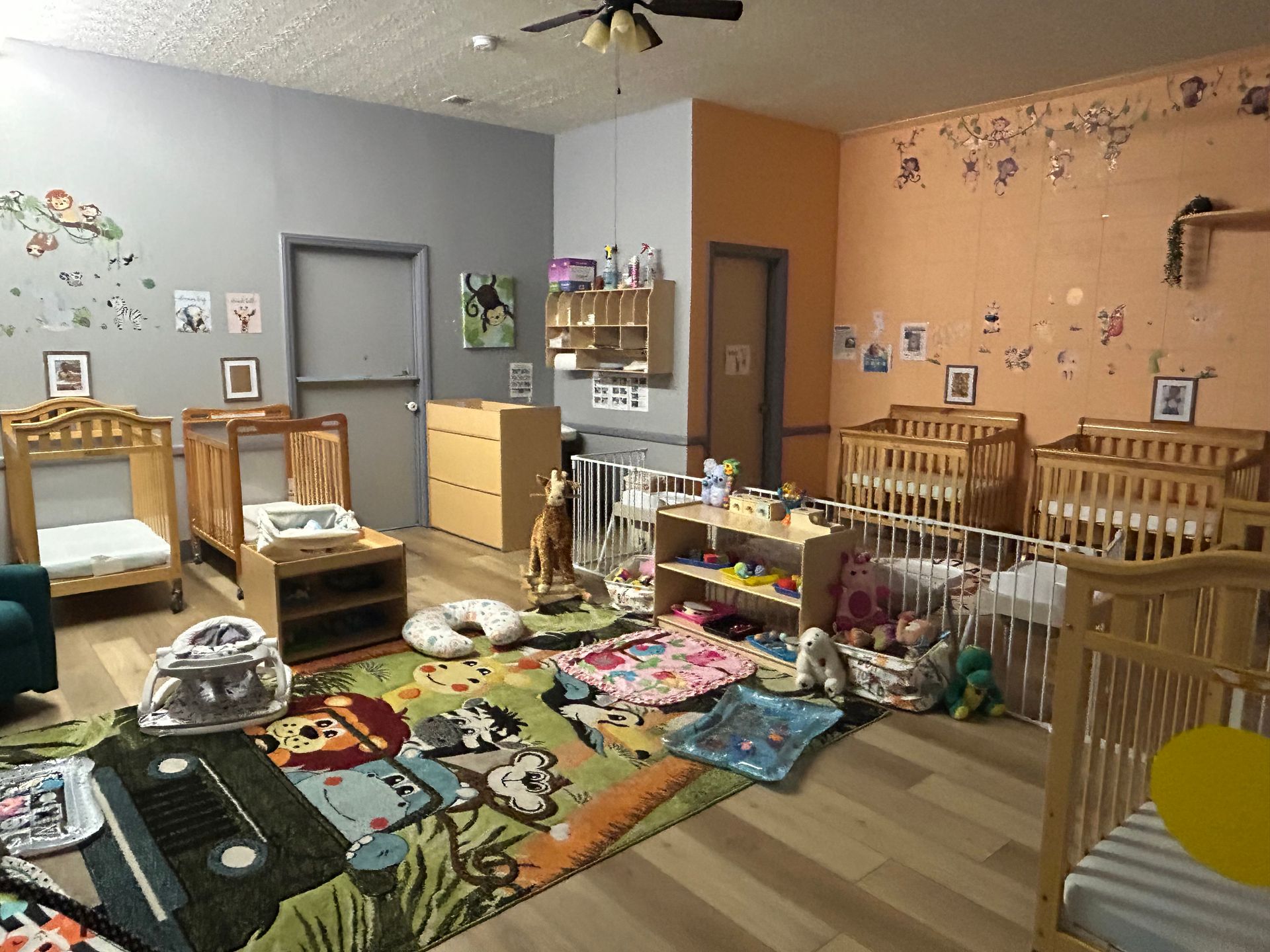
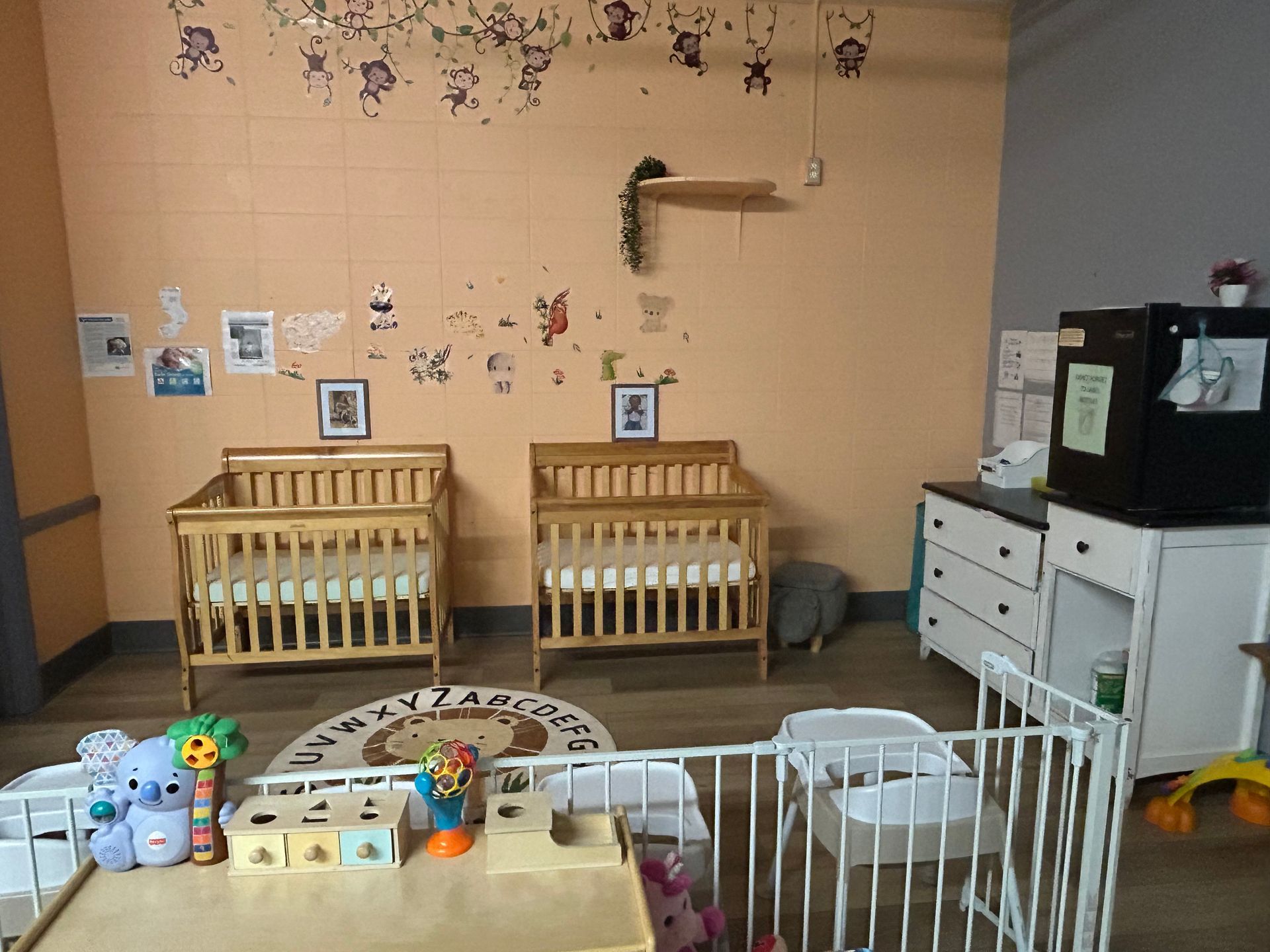
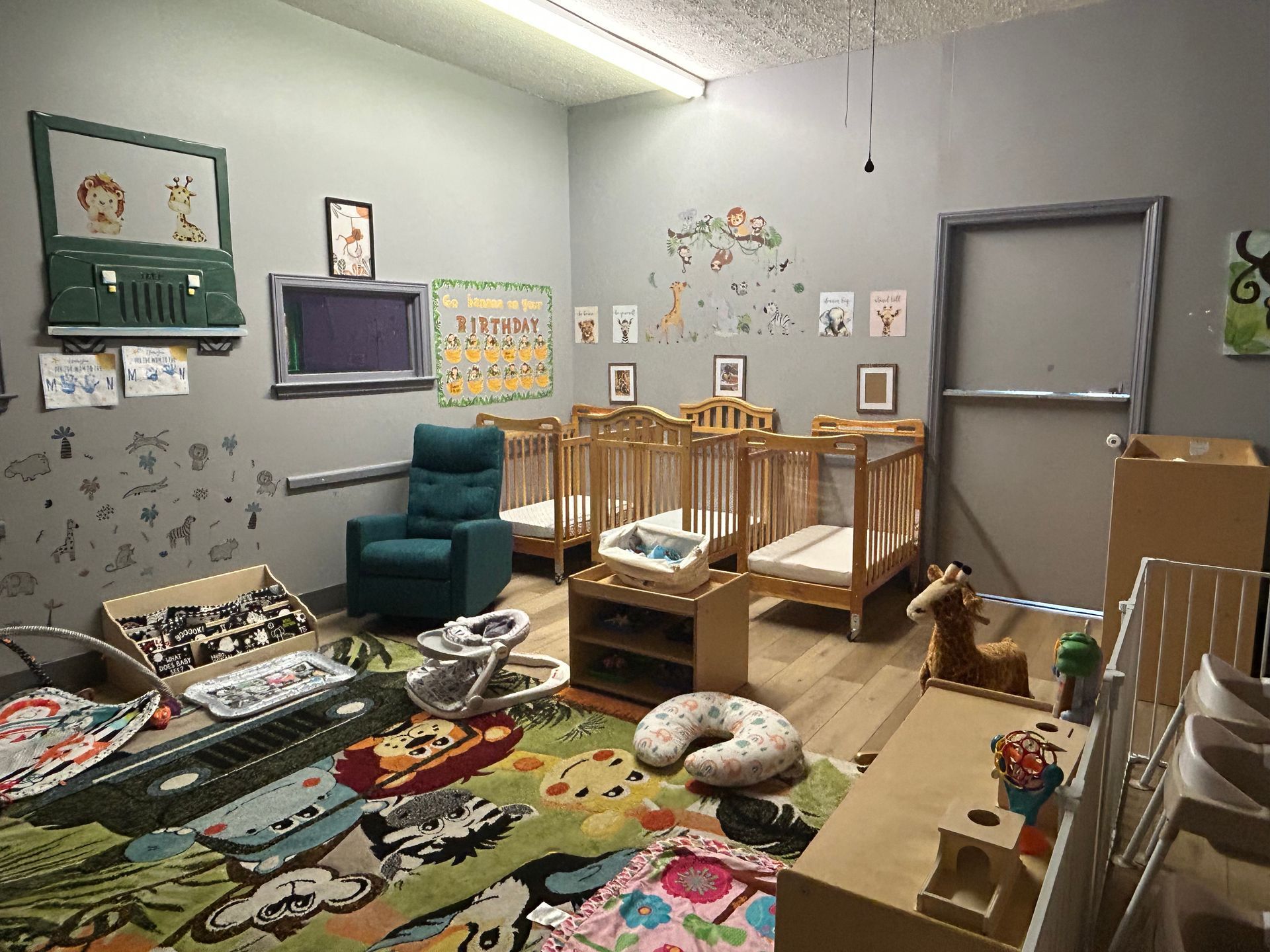
A positive learning environment in preschool settings is foundational for high-quality education. Safe and nurturing physical spaces are essential for fostering effective learning experiences for young children. Classrooms should be designed to encourage exploration and engagement, with age-appropriate materials readily accessible to the children. A preschool center must ensure that the physical environment is safe, clean, and welcoming, reducing any distractions that may impede learning. Such environments promote a sense of security, enabling children to focus on learning and development.
Inclusive practices are fundamental in ensuring that all children, regardless of their background or abilities, can participate fully in preschool programs. By embracing a diverse student body, preschools create opportunities for all children to learn from one another and celebrate differences. Inclusion involves adapting teaching styles and materials to meet the diverse needs of students, ensuring equal access to educational resources. This approach not only benefits children with special needs but also enriches the educational experience for all. Commitment to inclusion aligns with ethical educational standards and contributes to the broader societal goal of equity.
Evaluating Child Outcomes and Assessment Methods
Evaluating child outcomes requires defining key developmental milestones critical to preschool education. These milestones act as benchmarks for tracking a child's progress in various areas, including cognitive, motor, and social-emotional skills. Teachers and parents rely on these metrics to identify areas where a child may need additional support or enrichment. Understanding these milestones allows educators at a local preschool center to tailor instruction to support each child's unique developmental pathway. Such informed practices help in fostering a nurturing educational environment where every child's potential is recognized and supported.
Feedback mechanisms involving parents and teachers are fundamental in shaping child assessments. These engagements offer diverse perspectives and insights into a child's learning experiences, empowering educators to provide personalized instruction. Regular communication with parents ensures they remain informed and involved in their child's educational journey. This collaborative approach strengthens the home-school partnership, which is pivotal in driving positive educational outcomes. Furthermore, this partnership helps set realistic goals and expectations in line with each child's development journey.
Family and Community Engagement
Strong home-school partnerships form the cornerstone of successful preschool education. Effective communication between parents and teachers fosters trust and collaboration, significantly impacting a child’s learning experience. Parents who feel involved and informed are more likely to engage in their child's education at home. A preschool center can foster these partnerships by organizing regular parent-teacher meetings and creating platforms for open dialogue. These interactions enhance parents' understanding of the curriculum and teaching methods, enabling them to support their children's learning objectives.
Utilizing community resources enhances the educational experience within preschool settings, reinforcing the importance of local engagement. Partnerships with community organizations can bring a wealth of resources and expertise to preschool programs, from guest speakers to special workshops. These collaborations create meaningful connections between preschools and the wider community, enriching children's learning experiences. Leveraging community support also aligns with the broader goal of social responsibility and engagement. This external support helps bridge resource gaps and can lead to more innovative and comprehensive educational programs.
Policies and Regulations Influencing Preschool Quality
The role of policies and regulations in shaping preschool quality cannot be overstated. Both state and federal standards dictate various quality aspects in preschool education, from curriculum guidelines to teacher qualifications. These policies provide foundational frameworks that ensure consistent educational experiences for children nationwide. Compliance with these standards is critical for maintaining high-quality learning environments. As educational research evolves, policy reforms are necessary to integrate new findings and strategies into early childhood education frameworks.
Funding and resource allocation significantly impact the quality of preschool education. Adequate funding ensures that schools can afford the necessary materials, technology, and staff to support a comprehensive educational experience. Conversely, limited resources can constrain program offerings and potentially compromise educational quality. Policymakers must prioritize funding allocation to ensure equal access to high-quality preschool education across different communities. By advocating for equitable distribution of educational resources, stakeholders can drive meaningful improvements in preschool quality and accessibility.
As the new gold standard for preschool quality emerges, stakeholders must embrace these comprehensive criteria. By focusing on curriculum, teacher training, learning environments, child assessments, family engagement, and policy advocacy, we can ensure our youngest learners receive the best start possible at a dedicated preschool center. These multifaceted components collectively elevate the educational experience and support the productive development of young children.
This holistic approach not only benefits children's immediate educational experiences but also lays the foundation for their lifelong learning and development. Stakeholders must remain committed to continuous improvement and innovation in early childhood education to meet the evolving needs of future generations. Enroll your child at Small Steps Preschool today to give them the nurturing environment and golden educational foundation they deserve.






Share On: