6 Ways Pre-K Helps Children Transition Smoothly Into School Life
The transition from home to formal education represents one of the most significant milestones in a young child's development, setting the foundation for their entire academic journey. Many parents wonder whether enrolling their child in an early education program will truly make a difference or if waiting until kindergarten might be just as effective. Research and practical experience consistently demonstrate that children who participate in quality early education programs enter kindergarten better prepared academically, socially, and emotionally than their peers who skip this crucial developmental stage. These early learning experiences provide far more than simple childcare or babysitting, offering structured environments where children develop essential skills that smooth their transition into formal schooling. Understanding the specific ways that early education benefits children can help parents make informed decisions about their child's educational path. This comprehensive exploration examines how quality early childhood programs prepare young learners for success in school and beyond.
1. Developing Social Skills Through Peer Interaction
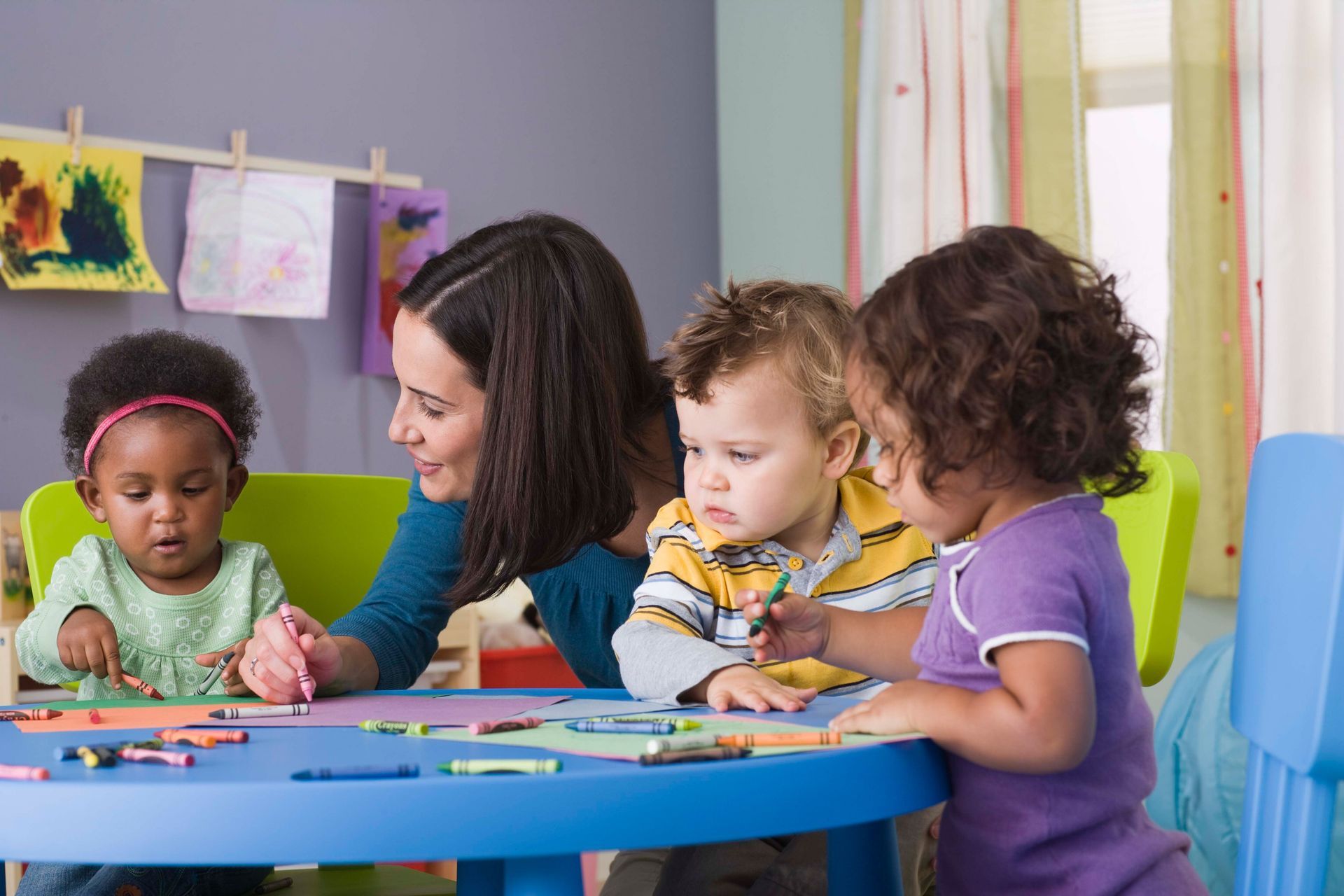
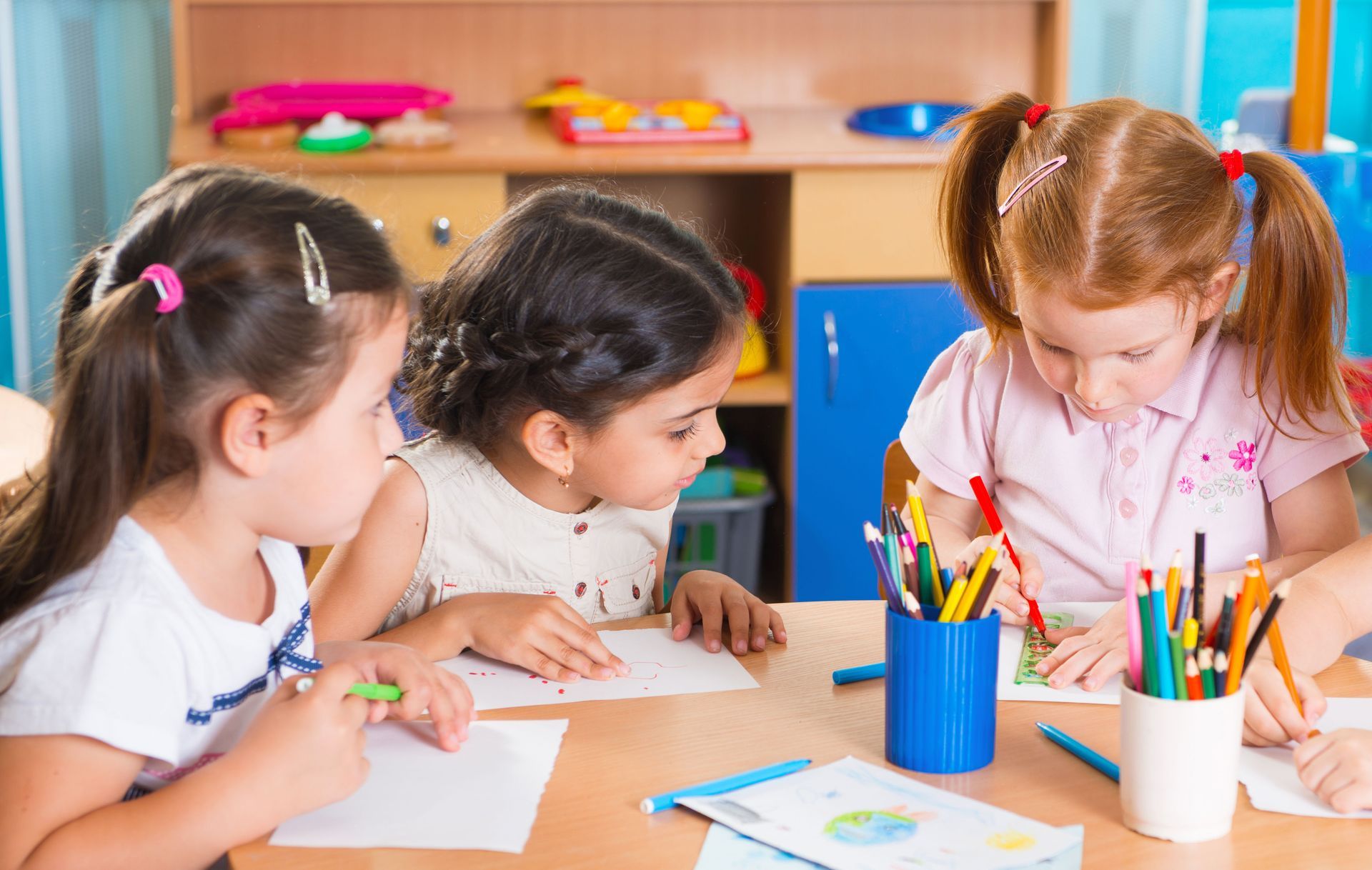
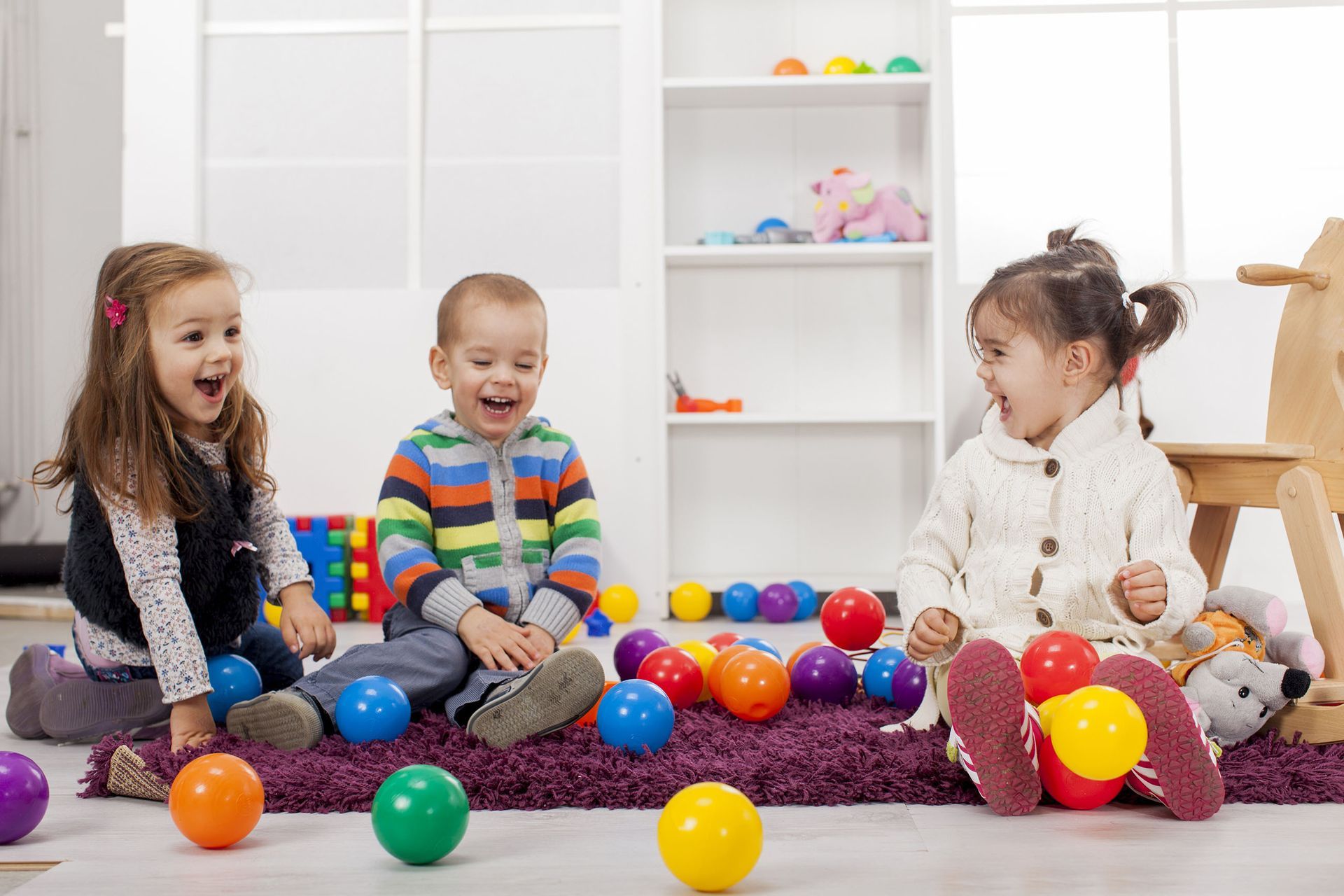
One of the most valuable aspects of pre k programs is the opportunity they provide for children to interact regularly with peers their own age in structured settings. Many children arrive at kindergarten having spent most of their time with family members or adults, lacking experience in navigating relationships with other children. Early education environments teach children how to share, take turns, cooperate on projects, and resolve conflicts peacefully under the guidance of trained educators. These social competencies are essential for classroom success, where children must work alongside others, wait their turn to speak, and participate in group activities. Children who develop these skills early experience less stress and fewer behavioral issues when they enter kindergarten because the social expectations feel familiar rather than overwhelming. The confidence gained through successful peer interactions in early childhood settings translates directly to smoother adjustment in elementary school environments.
2. Establishing Routines and Structure
Quality pre k programs introduce children to the routines, schedules, and structured environments that characterize formal schooling, making the eventual transition far less jarring. Young children thrive on predictability and routine, which helps them feel secure and understand what's expected of them throughout the day. Early education settings typically follow consistent daily schedules with designated times for different activities, meals, rest, and play that mirror elementary school structures. Children learn to transition between activities, follow multi-step directions, and manage their belongings in preparation for the next task. This exposure to structured learning environments helps children understand that school involves following schedules, completing tasks, and participating in various activities throughout the day. When these patterns are already familiar by the time children reach kindergarten, they can focus their energy on learning rather than adjusting to completely new expectations and routines.
3. Building Independence and Self-Help Skills
Pre k environments deliberately foster independence by encouraging children to perform self-care tasks and make age-appropriate decisions without constant adult assistance. Children learn to put on their own coats, manage their backpacks, clean up after activities, and handle bathroom routines independently. These practical life skills are essential for kindergarten success, where teachers cannot provide the one-on-one attention that might be available at home with parents or caregivers. Early childhood programs gradually scaffold independence by providing support initially and then stepping back as children gain confidence and competence. Children who arrive at kindergarten already comfortable with basic self-care and classroom management tasks experience less anxiety and frustration than those still developing these fundamental skills. The sense of capability and autonomy that comes from mastering these tasks builds self-esteem that supports overall academic and social success.
4. Introducing Pre-Academic Concepts and Skills
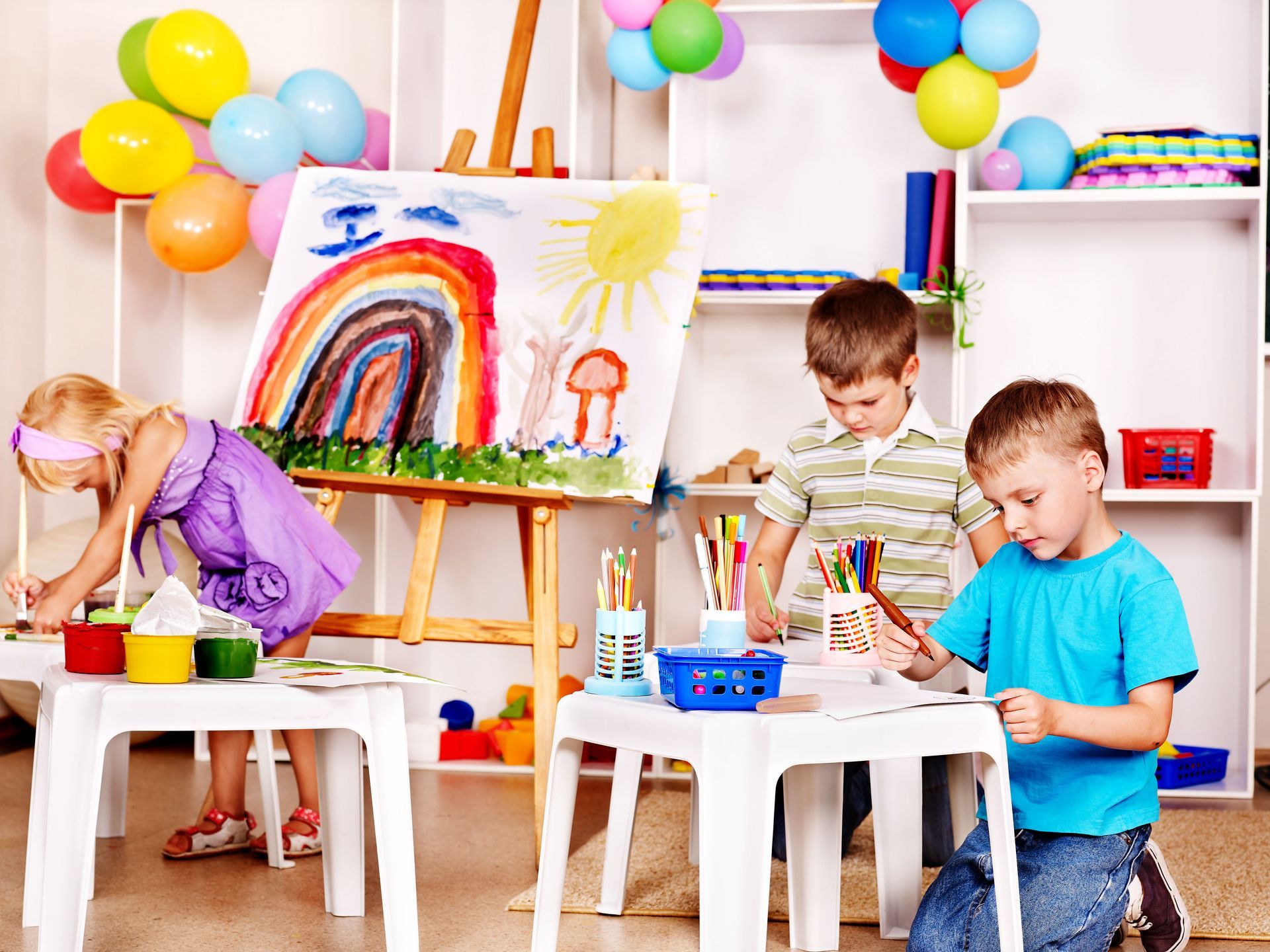
Quality early education programs introduce foundational academic concepts that prepare children for formal reading, writing, and mathematics instruction they'll encounter in kindergarten. Pre k teachers use play-based and hands-on experiences to teach letter recognition, phonemic awareness, number concepts, patterns, and other building blocks of academic learning. According to UNESCO, early childhood care and education from birth to age 8 is considered vital because it aligns with a key period of brain development when children are especially receptive to learning. Children explore these concepts through games, songs, stories, and activities that feel like play but are carefully designed to build specific skills. This early exposure means children arrive at kindergarten already familiar with letters, numbers, colors, and shapes rather than encountering these concepts for the first time. The confidence and enthusiasm for learning that develops when children experience success with early academic tasks creates positive associations with school and learning that influence their educational trajectory for years to come.
5. Strengthening Communication and Language Skills
Pre k programs provide rich language environments where children constantly engage in conversations, storytelling, and verbal expression that dramatically expand their communication abilities. Teachers model proper grammar, introduce new vocabulary in context, and encourage children to express their thoughts, feelings, and ideas verbally. Children participate in circle time discussions, answer questions, tell stories about their experiences, and engage in dramatic play that requires verbal communication and negotiation. These language-rich experiences are particularly valuable for children from homes where English may not be the primary language or where verbal interaction opportunities are limited. Strong communication skills are fundamental to virtually all aspects of school success, from understanding teacher instructions to expressing needs and participating in classroom discussions. Children who enter kindergarten with well-developed language skills find it easier to make friends, seek help when needed, and engage fully in learning activities that depend on verbal comprehension and expression.
6. Cultivating Attention Span and Focus
Young children naturally have short attention spans, but pre k programs gradually help extend their ability to focus on tasks and activities for increasingly longer periods. Teachers structure activities with developmentally appropriate time expectations and use engaging methods that maintain children's interest while gently pushing them to sustain attention. Through regular practice with story time, art projects, puzzles, and group activities, children build the stamina needed to participate in longer kindergarten lessons and activities. This skill development happens gradually in nurturing atmospheres where expectations increase as children demonstrate readiness for greater challenges. Children learn to sit during circle time, complete projects from start to finish, and resist distractions when engaged in learning activities. The ability to maintain focus and see tasks through to completion is essential for academic success and homework completion throughout their educational journey.
The benefits of quality early childhood education extend far beyond simple academic preparation to encompass social, emotional, physical, and cognitive development that creates comprehensive readiness for formal schooling. Children who participate in pre k programs consistently demonstrate advantages over peers who miss these formative experiences, entering kindergarten with confidence, skills, and positive attitudes that support ongoing success. The investment in early education pays dividends throughout children's educational careers and beyond as the foundations established during these crucial years influence learning trajectories and life outcomes. For parents considering their options, understanding these specific benefits can clarify why early childhood education represents one of the most valuable investments in children's futures. When you're ready to provide your child with the strong foundation they deserve, Small Steps Preschool offers exceptional childcare, preschool, infant care, and toddler care programs designed specifically to prepare young learners for success. We provide discounts available to families, structured learning combined with hands-on experiences, and a nurturing atmosphere to help your child thrive during these critical developmental years. For more information, contact us today!




Share On: